How Do Advanced Production Lines Reduce Risk in Industrial Steel Projects?
Steel projects can turn stressful quickly—delays, unexpected costs, and safety issues are always waiting for a weak link. Over the years, I’ve learned that risk isn’t managed with luck or hope. It starts on the factory floor.
When we rely on advanced production lines, we see fewer errors and much more consistency. Machines catch mistakes early, and digital tracking keeps every detail clear. This gives project managers, engineers, and owners peace of mind that their steel arrives on time, meets all the specs, and won’t require costly rework. For us, this has changed the way we do business and made our deliveries far more reliable.
[advanced steel production line risk reduction]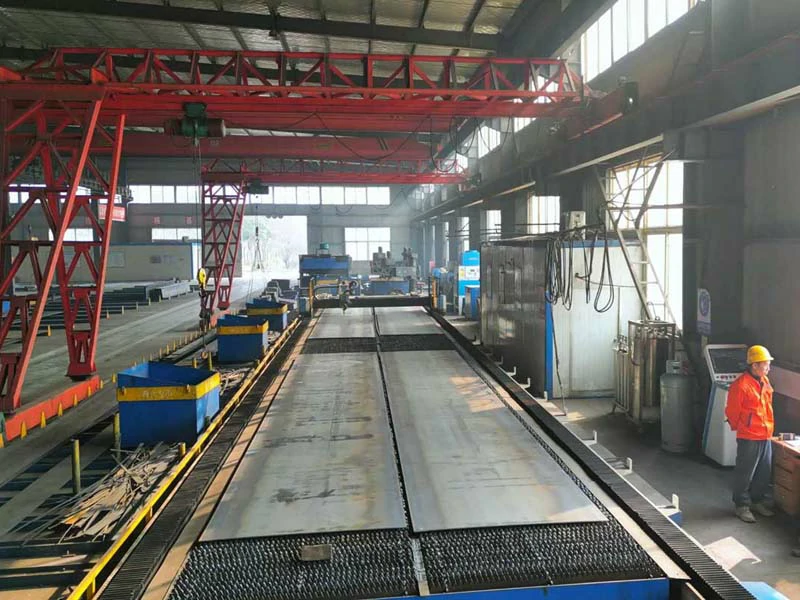
Back when I was responsible for managing orders, I remember how much tension there was at every stage. A single wrong weld or late delivery could ripple through the whole job. Today, with modern tools and real-time feedback, risk isn’t just something we react to—it’s something we control.
How Do Modern Production Lines Reduce Rework and Increase Safety?
Rework used to be a dreaded word on site. People often forget that every re-cut beam or repair weld isn’t just a nuisance—it’s lost hours, wasted materials, and increased safety risks. I vividly remember a project in the early days where we spent entire weekends fixing faulty welds, mostly because our processes couldn’t catch mistakes early enough.
[steel fabrication rework prevention]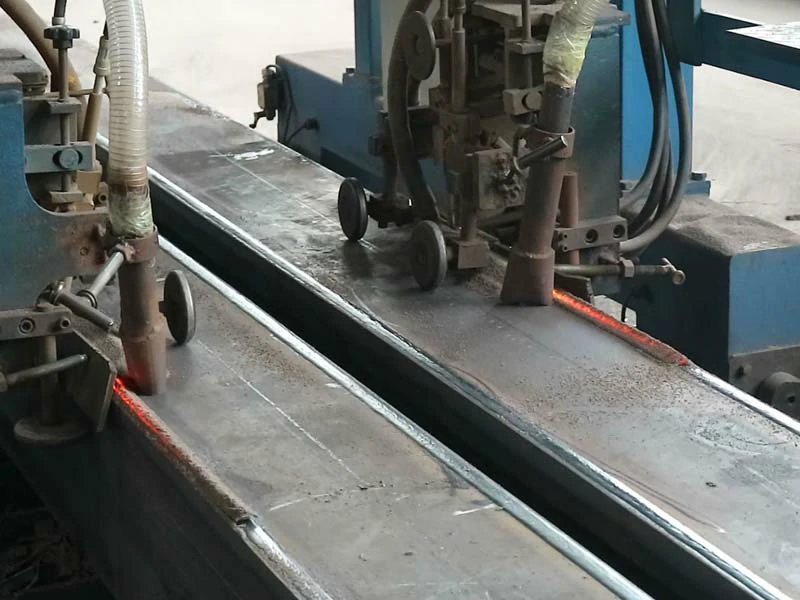
That changed once we brought in CNC cutting tables and robotic welders. These tools reduced human error and made our work standards consistent from shift to shift. Now, our automated systems spot a misaligned joint before it even gets welded. Digital QA checks remove any guesswork. On some projects, we cut our rework rate by more than half. The value here isn’t just numbers; it’s about people going home safe and clients feeling confident in their investment.
Our process now looks like this:
| Task | Old Way (Manual) | New Way (Automated) |
|---|---|---|
| Cutting | Person-operated, variable | CNC precision, consistent |
| Welding | Manual, skill-dependent | Robotic, exact every time |
| Quality Control | Visual checks, memory | Digital sensors, logged data |
| Safety Monitoring | Paper logs | Real-time alerts |
| Rework Rate | High | Reduced by up to 70% |
Instead of worrying about troubleshooting every day, we focus more on improving our workflow. When you see fewer defects and near-misses, there’s less stress and more satisfaction, for everyone involved.
Why Is Digital Traceability a Hidden Advantage for Industrial Projects?
Traceability is one of those things you only appreciate when you need it most. Years ago, we relied on paper logs and memory for records—a method that worked until an inspector asked for proof and all we could offer was a stack of binders.
Now, our digital traceability system links every weld, coating, and material cert to a barcode. On a recent power project, an inspector asked for the history of a steel column. In minutes, we pulled up every step from fabrication to shipping. The inspection went smoothly, and the client passed with flying colors. This kind of transparency is worth more than any marketing pitch.
For clients with strict compliance needs, this process helps them pass audits and win contracts. The detailed record isn’t just about trust—it’s about competitive advantage.
| Data Type | Manual (Old) | Digital Traceability |
|---|---|---|
| Material certificate | Paper, easy to lose | E-file, always available |
| Welding log | Notebook, scattered | Linked by QR/barcode |
| Surface treatment | Memory-based | Time-stamped, digital |
| Inspection reports | Hard to track | One-click access |
| Audit readiness | Reactive, scrambling | Proactive, organized |
Digital traceability lets clients feel secure about the quality and history of their steel. It also helps us solve problems before they become crises.
How Do Advanced Lines Shorten Lead Time and Secure More Orders?
When clients need steel fast, nothing matters more than lead time. I’ve worked with dozens of EPC teams, and delivery speed often determines who wins the contract. A few years ago, a big refinery job nearly slipped through our fingers, simply because we didn’t have the capacity to compress the schedule.
[fast lead time steel fabrication]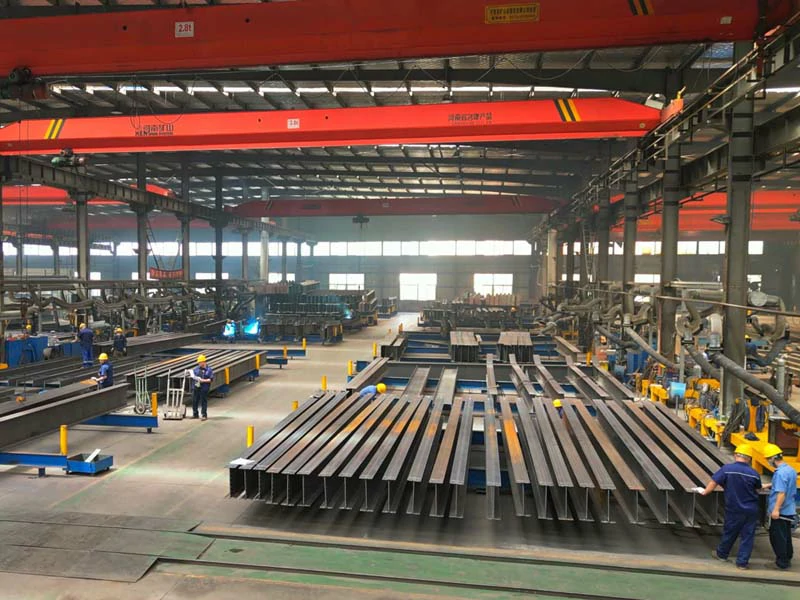
With advanced lines, things changed radically. Automated scheduling and parallel fabrication meant we could cut, weld, and assemble multiple structures at once. In one memorable case, we reduced lead time by almost 40%. The client’s project stayed on track, and we won more work from them. This kind of value is what keeps customers coming back.
Here’s how advanced production affects the timeline:
| Task | Old Process | Advanced Production | Time Impact |
|---|---|---|---|
| Engineering handoff | Printed drawings | BIM/ERP digital connection | Days saved |
| Production scheduling | Spreadsheet chaos | Automated sequences | Hours optimized |
| Fabrication | Sequential, slow | Parallel batch processing | Weeks eliminated |
| Quality control | End-of-line fixes | Real-time, in-line checking | Faster, less rework |
Order after order, clients appreciate knowing that we can handle urgent timelines without risking quality. When they ask “how soon can you deliver,” we answer confidently—and then deliver even faster.
How Can Suppliers Use Their Advanced Lines as a Risk Solution in Sales?
For too long, steel suppliers have promoted price before any other value. I can tell you, most clients find price comparisons tiring and unhelpful. What they really want is a partner who protects them from risk.
When we started explaining how our advanced production lines reduced project risks—avoided delays, ensured compliance, minimized warranty claims—the conversation shifted. Our pitch included real examples: how digital QA systems stopped subpar materials from reaching site, and how our traceability helped clients pass audits smoothly.
Project managers told us these stories were more persuasive than any quote. They knew penalties for late delivery or failed inspections could wipe out any price advantage. More and more, clients are choosing suppliers based on their ability to control risk, not just cost.
Here’s how we structure our approach:
| Sale Element | Traditional Value | Advanced Line Value |
|---|---|---|
| Price & specs | Lowest wins | Competitive, but not all |
| Risk reduction | Rarely discussed | Main focus |
| Compliance guarantee | Only if requested | Standard offering |
| Project case studies | Few, vague | Real, detailed, relevant |
| Delivery confidence | “It depends” | “Here’s our track record” |
By sharing specific lessons from past jobs, we show clients how we help them win their own contracts—protecting their profits and reputation.
How Do Integrated Design and Production Systems Stop Errors Before They Start?
Design changes are a recipe for confusion in most factories. When drawings and instructions don’t reach the floor fast enough, mistakes pile up. I remember one multi-building project where miscommunication delayed us for days—all because the newest drawing never made it into production.
Now, design and production are connected through BIM and ERP systems. As soon as a revision is made, the update appears at every station. Machines adjust their tasks, and workers see exactly what needs to change. This helps us catch and fix errors before steel is cut, instead of after. The entire team works smoothly, and clients see fewer surprises on site.
The workflow is now as follows:
| Step | Before (Manual) | Now (Integrated) |
|---|---|---|
| Drawing revision | Email, paper updates | Real-time, digital delivery |
| Shop instruction | Manual hand-off | Automated update, live screen |
| Fabrication adjustment | After site discovery | Before production ever starts |
| Change log | Siloed, fragmented | Centralized, searchable |
The ability for every team to respond instantly to changes removed a lot of stress for both our staff and our clients. This integration makes the whole project more predictable and enjoyable.
Conclusion
Advanced production lines mean we worry less about errors or delays and focus more on delivering steel that makes our clients’ jobs easier. When you work with modern tools and processes, you not only protect the schedule and quality—you help your clients win, too.