Understanding Lead Times and Production Capacity in Steel Structure Procurement: Are These the True “Gray Rhinos” of Your Project?
It’s easy to get caught up negotiating price and materials, but in my experience, project failure usually starts with lead times and production capacity. When they slip, everything else does too—and the fixes aren’t cheap.
If you look at most serious project delays or cost overruns, they trace back to optimistic schedules or capacity numbers that have little to do with what actually happens on the production floor. I’ve seen suppliers promise the moon during bidding, but when the orders come in, actual slots are taken by their top accounts, leaving new customers with whatever’s left. It’s a classic blind spot in our industry. If you’re in procurement, you likely know this frustration all too well. [advanced steel production line risk reduction]
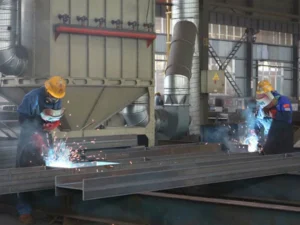
I always share this with new buyers: price is important, yes, but lead time and capacity are where most projects succeed or fail. It’s not just about what a factory can do “in theory,” but what your specific order will get in a real-world, crowded schedule.
Why Are Lead Times and Capacity So Unpredictable in Steel Procurement?
Every project faces the same root issues, but they aren’t always obvious until delays begin stacking up. In my career, the most overlooked time-wasters usually hide in design, raw materials, internal priorities, specialized processes, or underestimated QC time.
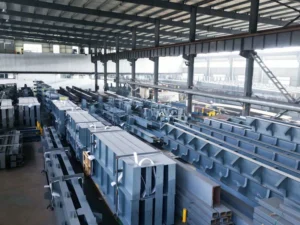
Let’s get into examples:
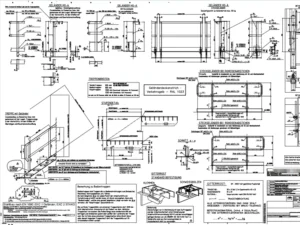
- Design as a Bottleneck: Procurements often imagine production starts the day the contract is signed. But it’s the countless drawings, technical reviews, and revisions that quietly stretch schedules. We once lost nearly a month because a critical detail couldn’t get final approval.
- Raw Material Stock Isn’t Just a Number: A supplier may claim they can get steel instantly. But in a volatile market, inventory can disappear overnight. I always ask to see material supply schedules and actual invoices. You wouldn’t believe how many factories rely on promises instead of purchase orders.
- Production Priorities—The Unspoken Rule: The reality in any steel shop is that big, long-term clients go first. Even with the best intentions, a one-off order gets bumped if bigger business comes in. I now make it standard to get a written capacity lock, not just a verbal promise.
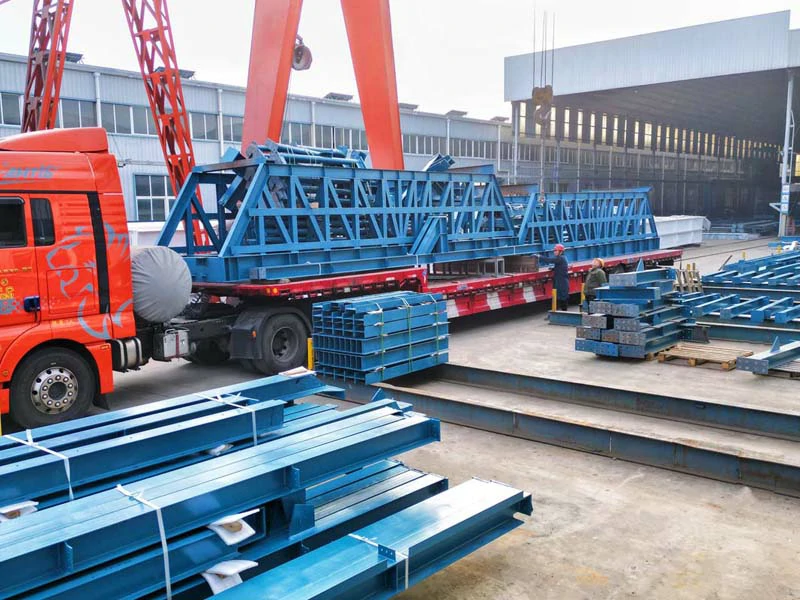
- Process Bottlenecks: We all love stats like “1000 tons per day,” but a single line for blasting or automated welding can make that impossible after bad weather or maintenance. I’ve learned to always request real daily outputs for the last quarter, not just peak days.
- QC and Third-Party Inspections: These can soak up another 5–10% of your timeline. Worse, if you wait until the end to involve your client or inspector, one rework and your buffer disappears.
Here’s a quick table that reflects what I check for every major order:
| Problem Area | What Can Go Wrong | What We Ask or Do |
|---|---|---|
| Design & Detailing | Weeks lost on drawing revisions | Parallel design-finalization and purchasing |
| Raw Material | Stock outs; price spikes delay supply | Demand supply plan & actual supplier POs |
| Production Scheduling | Bumping for bigger/loyal clients | Written production slot confirmation |
| Special Bottlenecks | Single-line operations slow overall output | Request past quarterly output, not annual figures |
| Quality Testing | Inspection/rework, especially exports | Schedule extra time for QC, clarify criteria up front |
When you get specific with these questions, suppliers know you’re more than a price shopper—and you actually change how you’re prioritized.
How Do the Best Buyers Lock Down Lead Time and Capacity?
Every experienced project manager eventually learns to play chess instead of checkers. In practice, this means moving on multiple tracks at once and anticipating the supplier’s reality, not just the picture in the bid.
Here’s what we do now, based on years of learning “the hard way”:
-
Negotiate Capacity Before Price. It took me years to understand that price is useless if your order never gets on the line. I now always ask how the supplier handles big clients versus new ones, and require a written production plan with dates tied to project milestones—not just signed contracts.
-
Run Contract, Design, and Procurement in Parallel. On fast-track jobs, we start the long-lead material purchase and finalize generic details while the last pieces of the design are still being refined. There’s risk, but the time savings can be 2–4 weeks. If you wait for perfect drawings, you’re always behind.
-
Batch Delivery and Rolling Schedules. If one order is too big to handle at once, split it. Stage deliveries and modularize where possible. We’ve often hit our ultimate completion date by breaking a 10,000-ton order into 5-7 blocks.
-
Check Factory Backup Plans. Any supplier can run well when the sun is out, but what about rain, labor holidays, or a breakdown? Truly robust providers have backup workshops or outsourcing partners on call. We ask to visit or see case records of how this was handled during past crunches.
-
Stay Hyper-Transparent with All Project Owners. Whether it’s the end user, EPC manager, or jobsite foreman, we flag possible design changes, sequence disruptions, or material delays early. That way, schedule padding and “Plan Bs” can start from week one, not week ten.
Here’s a summary table of actions that work for us:
| Action | Benefit | Key Question to Supplier |
|---|---|---|
| Capacity first, then price | Avoids delivery “risk shuffle” | “Who else are you producing for in my slot?” |
| Parallel workflows | Compresses timeline | “Can you start standard parts now?” |
| Batch/rolling delivery | Greater agility; stays on track | “How do you stage & ship big orders?” |
| Factory backup resource audit | Resilience under stress | “What if your main line fails next month?” |
| Open visibility on all changes | Faster, better decisions | “Who’s my contact for urgent design changes?” |
People often assume these steps are only for huge projects, but we’ve rescued small and medium jobs using the same moves.
Real-World Story: How We Rescued a Stalled Project
A few years back, we took on an 8,000-ton job for an overseas EPC partner. They ran things by the book—contract, then wait for every drawing, then chase us for updates. Result? In the first six weeks, practically nothing moved. Design changes flew in, shipping paperwork got held up, production priorities shifted, and every handoff took days. Our nerves were shot, and the client was frustrated.
We got back on track by throwing away the “finish one, then start the next” playbook. We triggered drawing finalization, fast-tracked material orders we were sure about, and started technical meetings in parallel. We also pushed for live updates from QC and the design team so nothing lingered in email. Net result: we saved 12 days mid-project and ended up delivering the first block five days ahead of schedule—a personal relief, and a big win for everyone involved.
The takeaway? The best control comes from planning for design uncertainty, over-communicating, and pushing for accountability at every handoff. When you lead with structure—not just optimism—your odds of delivering on time go way up.
Conclusion
Lead time and production capacity aren’t just variables in a spreadsheet—they’re the living core of project management. In the end, the best buyers aren’t the ones who bargain hardest, but those who organize, anticipate, and coordinate with precision. If you want to swap stories or need practical ways to diagnose your supplier’s real output, I’d be glad to help—I’ve seen most of the traps and know some ways out.