How Do International Standards Influence Industrial Steel Structure Safety?
When a steel structure fails, downtime and lawsuits follow—sometimes causing loss far worse than the initial damage. We know safety isn’t optional, but what is the foundation for real safety in this industry?
International standards such as ISO, EN, and AISC protect our projects by creating clear rules for materials, design, welding, and corrosion prevention. When we follow these standards, quality is consistent and safety is predictable—even in complex builds.
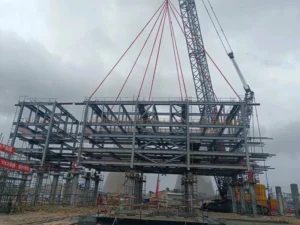
I’ve seen clients lose millions because they ignored standards to save on cost—only to face shutdowns, insurance battles, and accidents. Standards are not only a set of rules. They are a proven system for avoiding catastrophe. Let’s break down why these standards matter, how they reduce hidden risks, and how they help with both regulatory approval and trust.
Why Do International Standards Matter?
“Just do it faster” is never the answer. Cutting corners isn’t always obvious, and it usually catches up with the project later. That’s why international standards matter every step of the way.
International benchmarks—like ISO, EN, and AISC—define what safe steel structures look like. They guide everything from picking steel plates to designing beams, specifying welds, and applying corrosion-resistant coatings.
We often think standards are for paperwork or audits. Actually, they protect B2B clients, contractors, and suppliers from risk. By following global codes, every decision has a clear reference. When someone asks “Is this material fit for use?”, we simply check—no debating. When an insurance company reviews a claim, the answer is in the documentation.
For example, a client once decided to skip EN standard paint thickness on a refinery build. Two years later, the corrosion led to not only expensive repairs but also legal trouble with the insurance provider. Everyone paid more in lost time and revenue than if they’d kept the standard.
| Aspect | With Standards | Without Standards |
|---|---|---|
| Material Choice | Certified | Guesswork |
| Design Review | Consistent | Variable |
| Insurance Cost | Lower | Higher |
| Project Downtime | Controlled | Unpredictable |
We learn that standards aren’t a barrier—they are a shield. Each project that uses them gets predictable safety and trust from every stakeholder.
How Does Standardization Reduce Risks and Hidden Costs?
Hidden costs creep into projects when we let suppliers improvise or rush “flying orders.” Standardization puts every detail into black-and-white, protecting us from surprise failures.
International standards lay out strict calculation formulas, safety factors, and testing methods. When we specify load-bearing calculations or demand weld records, the results are measurable—not subjective.
I’ve seen urgent projects where documentation was skipped to save time. Later, a weld failed, causing shutdown. The client had no traceable documentation—no one could confirm if the weld met requirements or not. Instead of saving days, they lost weeks.
Whenever we use standards—for every batch, every weld, every bolt—we get traceability. If something breaks, we can pinpoint when and why. This means recurring issues are fixed at the source, not just patched over.
For those who doubt the value, here’s a practical view:
| Factor | Standardized Project | Shortcuts Project |
|---|---|---|
| Traceability | Complete | Missing Pieces |
| Third-Party Testing | Yes | Often skipped |
| Insurance Claims | Simple | Problematic |
| Failure Recovery | Quick | Slow |
By insisting on standards, we force accountability and accuracy from every supplier. The small cost of proper documentation saves immense money and trouble later on.
How Do Standards Help Regulatory Approval and Global Market Access?
Regulatory approval delays are a real threat. Standards compliance changes project approval from “maybe” to “almost certain.”
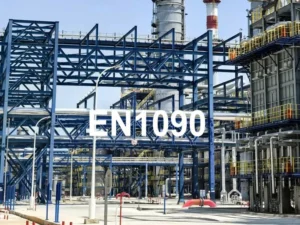
Projects built to ISO or EN rules win faster sign-offs. Government inspectors know exactly what to expect. Overseas partners recognize these certifications and move quickly with approvals. Using local codes, like EN1090 for Europe, is key.
In my experience, a client wanting to export process skids to the Middle East faced audit trouble because standards were missing. Retrofitting the build for EN compliance meant weeks of redesign and expensive rework. When another client invested in the standards upfront, they went straight through customs, got paid faster, and avoided having to modify the build.
The benefit is measurable:
| Region | Approval Time (Compliant) | Modifications Needed |
|---|---|---|
| EU | 2 weeks | None |
| Middle East | 1 week | Minimal |
| US | 3 weeks | Low |
| Non-compliant | 8 weeks+ | High |
Going global is easier when standards are the project’s language. Our work becomes trusted, recognized, and ready for more business.
Why Is Safety in the Process, Not Just the Product?
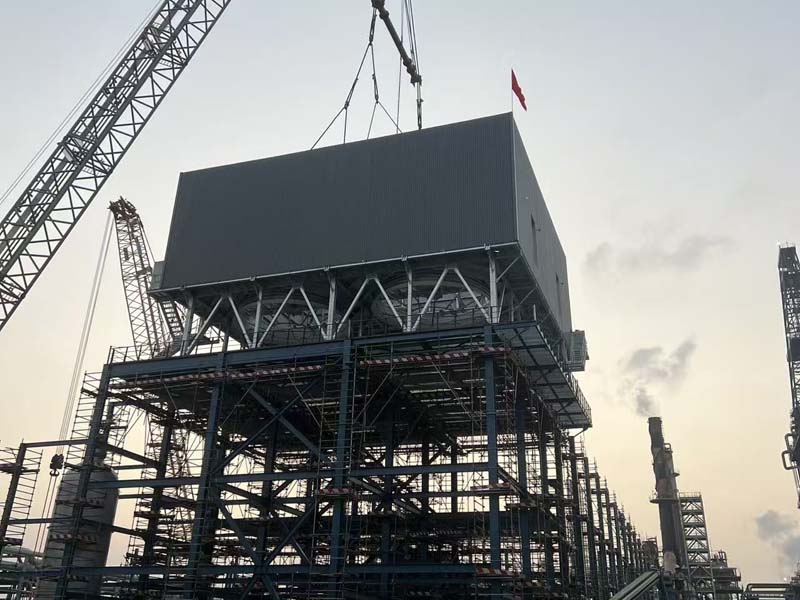
The biggest project risks happen after the factory work is done. Site modifications or errors during installation turn good steel into dangerous structure. Standards control these risks.
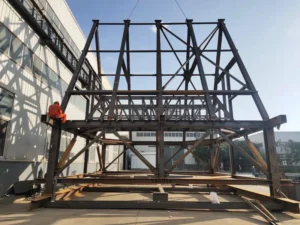
International standards set rules for every stage—design review, manufacturing checks, welding, non-destructive testing, protective coatings, installation, and ongoing maintenance. These protocols mean field teams don’t change things just because “it seems easier.”
We once saw a major accident where site staff skipped certified installation instructions to “speed up” the work. Months later, the roof failed. When we checked, none of the changes had been documented, and no one could confirm that bolts were installed to spec.
Now, top suppliers bring their own supervisors or offer certification for installation. We also use digital checklists and require every change to be documented. This policy ensures accountability—even after the factory work is done.
| Stage | With Standards | Without Standards |
|---|---|---|
| Factory | Double-checked | Rushed |
| Site Installation | Supervised | Unchecked |
| Safety Documentation | Complete | Patchy |
| Maintenance | Planned | Random |
Safety starts with planning but is protected by process. Don’t let good products be ruined by bad field practices.
How Does Standards Compliance Create Competitive Advantage?
Clients are not only looking for cheap, fast builds—they want confidence and reliability. Standards compliance is the proof we offer, and it becomes our biggest competitive advantage.
When we follow ISO, EN, or AISC codes, we show clients, investors, and insurance companies that we value long-term safety over short-term savings. This earns trust, repeat business, and even better loan or insurance terms.
In practice, showing real compliance—like offering plant tours or sharing audit records—sets us apart. Many key clients now demand standards proof to even let us bid. It’s a selling point, not just an obligation.
| Feature | Standard Compliant | No Compliance |
|---|---|---|
| Client Trust | High | Low |
| Repeat Orders | Likely | Rare |
| Insurance Premiums | Lower | Higher |
| Regulatory Risk | Minimal | High |
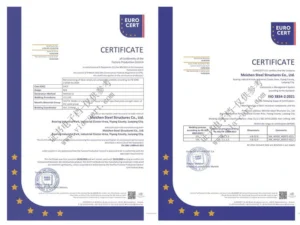
Clients learn to ask for the real certifications: ISO 9001, ISO 3834, EN1090. When we deliver them, we win the deal—and build long-term relationships. Showing standards compliance is a message: “We care about your safety, and your business will last.”
Conclusion
International standards take the guesswork out of steel structure safety. We gain not just protection from disaster, but faster approvals, less risk, and a reputation for reliability.