I remember working on my first EXC3 project: endless chases for certificates, long meetings to check procedures, and the anxiety of looming audits. These are not just technical hurdles; they are real-world issues that keep project managers and procurement leaders awake at night. The path to compliance is not easy, but it’s essential for anyone aiming for large-scale, critical industrial work.
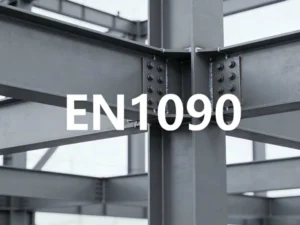
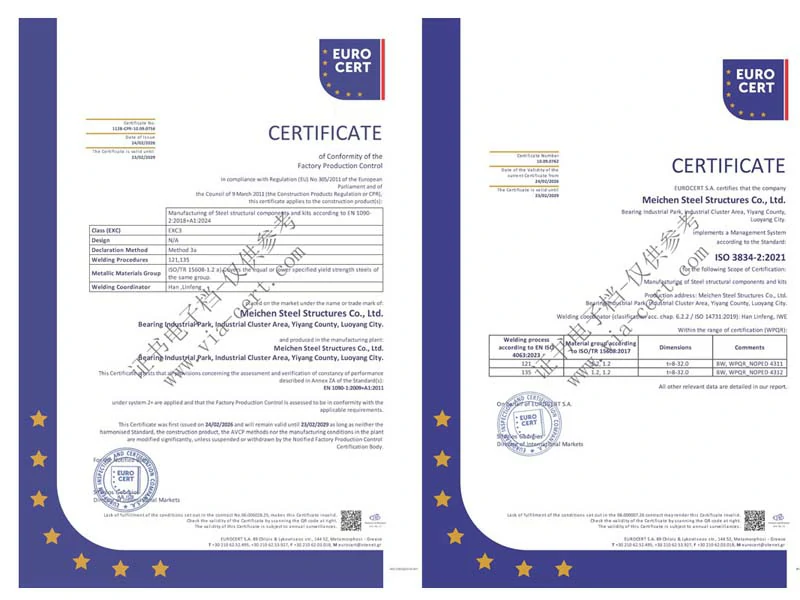
EN1090 EXC3 is the most rigorous European standard for steel structures in critical environments—such as refineries, bridges, offshore platforms, or tall plants. Following it means having complete traceability, relentless attention to documentation, and a systematic focus on welding and quality management. If you want to avoid expensive surprises and build a reputation for reliability, you need to get EXC3 right.

Picture this: you have a high-value industrial project and everything seems on track. Suddenly, the client’s third-party inspector requests full traceability for every steel section. If your records aren’t airtight, expect stress and possible delays. I’ve been there. Learning to work with EXC3 didn’t just improve our audit scores—it transformed how our team collaborates and delivers under pressure.
What is EN1090 EXC3—and Why Does It Matter?
Many industrial EPC contracts require EN1090, but Execution Class 3 (EXC3) is a world apart. It gets invoked for structures where failure is simply not an option—anything exposed to extreme loads, harsh conditions, or where public safety is at stake.
EN1090 EXC3 is the highest level of oversight in the standard. It’s not just about ticking boxes; it’s about building systems that allow any steel component to be traced, tested, and verified at any time, years after project completion.
Let’s put it in context:
| Execution Class | Example Projects | Oversight | Documentation | Testing Required |
|---|---|---|---|---|
| EXC1 | Farm sheds | Basic checks | Minimal paperwork | Visual only |
| EXC2 | Factories, commercial warehouses | Moderate | Clear records | Spot NDT |
| EXC3 | Refineries, bridges, high-rises | Maximum scrutiny | Full traceability | Extensive NDT, audit |
So why does this matter? Because with EXC3, a missing weld record or material batch certificate is not a minor issue—it can mean rejection of a part, halt project progress, or even trigger contract penalties. We found out quickly that every team member—engineering, procurement, quality, and fabrication—had to change how they worked together. It is not just more paperwork. It is about creating a culture of accountability.
What Are the Key EN1090 EXC3 Requirements?
In theory, the requirements look like classic quality management slogans. In practice, they demand meticulous everyday discipline. Everyone knows traceability is important, but how do you actually never lose track of a steel plate once hundreds are stacked in the yard?
EN1090 EXC3 requires us to have strict Factory Production Control (FPC), only work with properly qualified welders and procedures, maintain complete material traceability, conduct intensive testing, and assign a Responsible Welding Coordinator (RWC) to oversee the welding process.
Let’s go deeper with a checklist that we use internally:
| Requirement | Practical Action | Common Pitfall |
|---|---|---|
| FPC | Step-by-step procedures for each process | Missing or outdated SOPs |
| Welding Qualifications | Every welder must hold EN ISO 9606 certificate | Relying on old certificates |
| Welding Procedures | Follow only qualified (EN ISO 15614) WPS | Using “similar” WPS casually |
| Materials Traceability | Scan and archive EN 10204 3.1 certs for steel | Manual logs get lost |
| Nondestructive Testing (NDT) | Plan and book ultrasonic/radiography early | Inspectors aren’t available |
| Documentation | Store every report and certificate immediately | Paper trail falls behind |
| Responsible Welding Coord. | Appoint, train, and involve RWC from Day 1 | RWC is absent or distracted |
A day in our shop under EXC3 means weld sheets are updated in real-time, test samples are archived, and the RWC is visible, not isolated in an office. This attention to process pays off later—when the audit comes, the panic is minimal.
Where Do Teams Run into Trouble—And How Can You Avoid It?
If you’ve completed an EXC3 job under a tight schedule, you know: paperwork can snowball out of control, even the smallest documentation error can cause a whole section to be scrapped, and getting an NDT slot at the last minute is basically impossible.
We run into three classic challenges: staying on top of paperwork and traceability, keeping welders actually prepared for EXC3 complexity, and scheduling testing so it doesn’t slow the whole project.
Here’s what we’ve learned over the years:
-
Paperwork and Record-Keeping: At first, we kept records manually. Inevitably, papers lost, digital photos misplaced, and certificate numbers mismatched. Now, we use a digital document management tool. Batch numbers are barcoded and scanned at each stage. It’s not glamorous, but it’s saved our reputation multiple times.
-
Welder Qualification: Having a certificate isn’t everything. EXC3 requirements are specific. We conduct regular drills—mock production runs where welders must follow the actual EXC3 procedure, with managers and inspectors present. This way, no one is caught off guard.
-
Testing & Inspection Bottlenecks: Once, an inspector’s late arrival delayed a delivery by five days, costing us client goodwill. Now, we coordinate NDT schedules a month in advance and also train a small internal team for basic level checks, reducing outside dependency.
Here’s a table of practical risk points and how we now avoid them:
| Risk Point | What Went Wrong Before | How We Fixed It |
|---|---|---|
| Lost material IDs | Mixing plates in the yard | Barcode & scan at each stage |
| Last-minute NDT | Inspector schedule clash | Pre-book weeks in advance |
| Extra welds done | Welders confused procedure | More hands-on refresher training |
| Doc gaps | Missing signatures | Digital checklists, auto prompts |
Real improvement comes not only from rules, but from training habits and digital tools that make those rules easier to follow.
How to Actually Succeed with EXC3—Not Just Survive Audits?
I can't count how many times I have seen teams scramble to “finish the paperwork” just days before a handover. It always causes problems. We eventually learned that integrating EXC3 tasks into daily routines is the only way to deliver on time, with confidence, and build trust with EPC clients.
Success comes from starting early—before steel delivery—and staying consistent, even when deadlines are tight.
Here are the steps that have made the biggest difference to us:
- Early Engagement: We involve our quality, welding, and NDT staff in design and precontract phases. They catch details in drawings that can create inspection headaches later. A few hours of consultation at the start saves days of rework after fabrication.
- Supplier Choice: We build close relationships only with suppliers who consistently provide full EN1090 paperwork—not just the minimum. We double-check certifications with every order.
- Continuous Audit Prep: As soon as a test is completed or a delivery arrives, the paperwork gets uploaded. We run small, internal “mini-audits” every quarter—you can’t fix everything last minute.
- Digital Tools: From welder qualifications to NDT logs, everything is managed digitally, with reminders and cross-checks built in. Less guesswork, less stress.
| Process Step | Practical Tip | Benefit |
|---|---|---|
| Design review | Involve shop team in design phase | Fewer surprises later |
| Supplier onboarding | Verify EN1090 certificates with each batch | All docs ready for handover |
| On-site tracking | Barcode scanning for every material move | Never lose traceability |
| NDT scheduling | Book weeks in advance, confirm availability | No last-minute testing panic |
| Daily doc update | Upload docs immediately after each stage | Quick response to audits |
When your system works daily, audits become just another review. That’s when your client starts to see you as a reliable, low-risk partner.
What Is the Real Difference Between EXC2 and EXC3?
Clients often ask, “Isn’t EXC3 just more testing and paperwork?” It’s more than that. The jump from EXC2 to EXC3 is a change in mindset about how seriously you take every aspect of structural safety and client accountability.
In EXC3, every action and decision is recorded. Traceability means you can prove, instantly, exactly what happened to each piece of steel—years later if needed.
Here’s a clear breakdown:
| Feature | EXC2 | EXC3 |
|---|---|---|
| Level of scrutiny | Moderate (spot-checked) | Maximum (detailed, end-to-end) |
| NDT scope | Occasional | Large percentage, most joints tested |
| Traceability depth | Batch-level, sometimes missing | Every piece tracked clearly |
| Welder qualification | Standard certificates checked | Ongoing training, practical checks |
| RWC role | Mostly document-based | Hands-on, mandatory sign-off |
| Client risk perception | Reasonable effort | Zero-tolerance for mistakes |
In high-value, high-risk jobs, the difference means that when something goes wrong—or a client receives a surprise regulatory visit—you will have full visibility, instant answers, and a strong reputation for safety.
Conclusion
Managing EN1090 EXC3 projects is challenging, but with practical systems, strong habits, and the right tools, the process becomes much less stressful—and a lot more rewarding. Early attention to quality, ongoing training, and relentless focus on documentation separate successful teams from everyone else.