Every petrochemical project feels like a high-wire act—one overlooked detail, and you’re battling delays, overruns, or worse, hidden safety issues. Over the years, I've seen that winning teams don’t just follow a process. They internalize each step, knowing their consequences down the line.
A robust steel structure fabrication process in petrochemicals means tight collaboration from concept to installation. We must control engineering details, steel grades, cutting precision, welding craftsmanship, and anti-corrosion measures—backed by tireless quality control—if we want a project to stand the test of time.
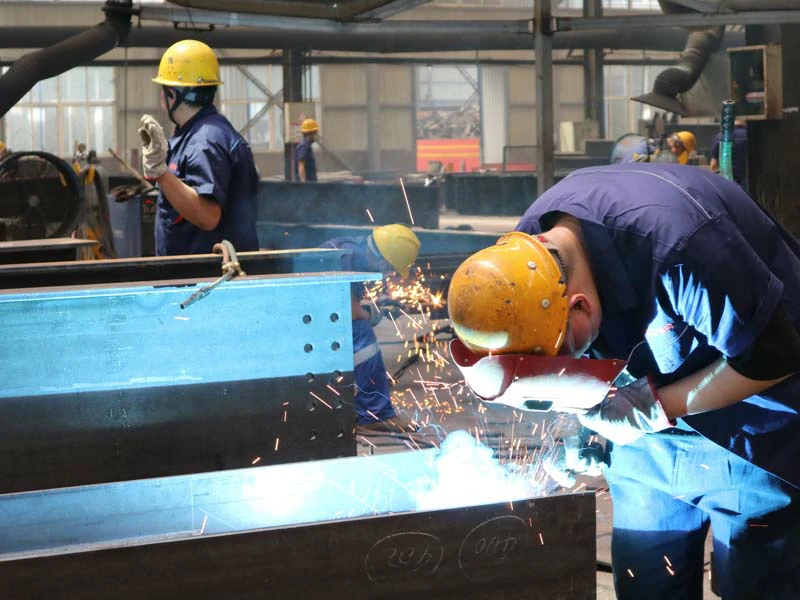
When I walk through a site, I see if the right steps were respected the moment I step on the floor. Even tiny oversights—a mismarked steel beam, a skipped humidity check before painting—can snowball into months of frustration and millions in costs. Here’s what I’ve learned makes the real difference.
What does the standard steel structure fabrication process for petrochemical plants look like?
Projects don’t succeed by accident. We earn every win by sweating the details from day one—and being quick to catch problems before they grow.
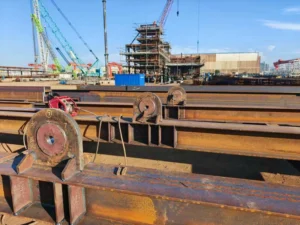
The steel structure fabrication process covers design, engineering, careful procurement, precision cutting, high-quality welding, advanced surface treatments, and ends with disciplined logistics and site assembly. At every stage, deep expertise and close communication turn the ordinary into the exceptional.
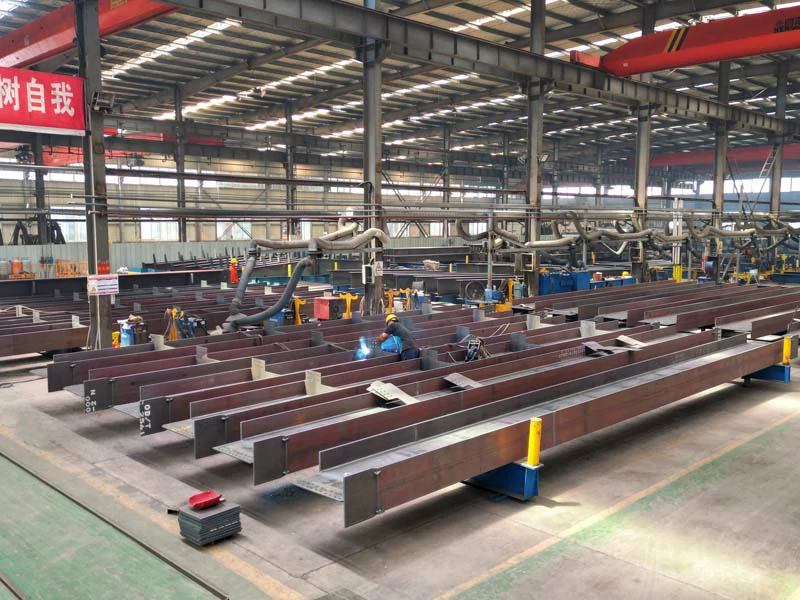
Here’s how it plays out in real life:
| Stage | What Must Go Right | Consequence If Skipped |
|---|---|---|
| Design & Engineering | Clash detection, optimized for future access and safety | Onsite clashes, rework |
| Material Selection | Proven grades, verified certificates, doc control | Premature failure, downtime |
| Cutting & Shaping | CNC, plasma, or laser, perfect fit, minimal waste | Onsite fit-up issues |
| Welding & Assembly | Certified welders, shop pre-assembly, thorough NDT | Leaks, missed weld flaws |
| Surface Treatment | Best-in-class cleaning & coatings, humidity/salt tests | Fast coating failures, rework |
| Quality Control & Testing | Digital tracking, third-party review | Delays, warranty disputes |
| Packaging & Logistics | Protective wrapping, sequencing with installation | Delivery damage, lost parts |
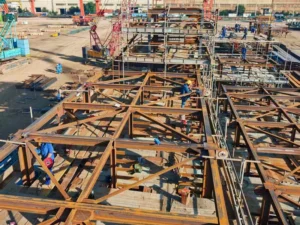
| Site Erection | Experienced crews, careful alignment, documentation | Slow install, safety incidents |
At each stage, we don’t just tick boxes. As a team, we ask, “How does this affect the next step?” That thinking—looking past our desks and benches—has saved me many headaches and our clients much more.
Why is material selection so critical for petrochemical steel structures?
Procurement gets intense. There’s always a push to save money or shorten lead times. But in petrochemicals, bad steel doesn’t just dent your profit margin—it can shut a plant down years after handover.
We select steel by grade, toughness, and resistance to years of heat, chemical attacks, and pressure. But we add: full traceability and deep documentation. For critical systems, we verify mill certs and sometimes test again in third-party labs. That diligence is the real insurance policy for your project.
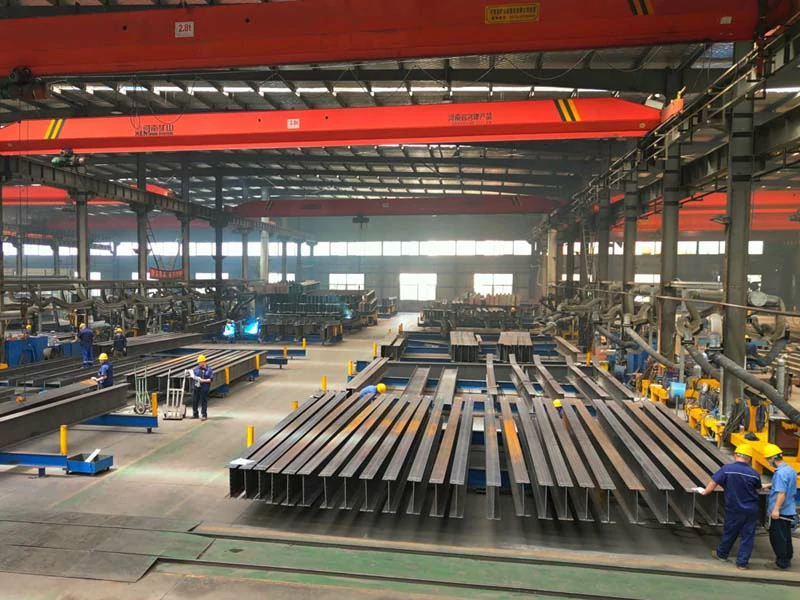
For a new ammonia plant, a colleague pushed to try a cheaper supplier. Their paperwork looked fine, but our cross-checks caught missing test results. We learned later other projects saw cracking after five years. Because we insisted on traceability and independent verification, we dodged that bullet—everyone on the team slept better for it.
Common steel grades and their core uses:
| Grade | Key Benefit | Typical Use Cases |
|---|---|---|
| Q235 | General structural | Columns, beams |
| Q345 | Better strength | Heavy frames, supports |
| ASTM A36 | U.S. equivalent | General plant steelwork |
| ASTM A992 | High ductility | Main frames, girders |
| ASTM A516 | Vessel-grade toughness | Tanks, pressure vessels |
We never forget: the steel you buy today defines the project’s future for 20 years to come.
How does welding quality impact project outcomes in a high-stakes environment?
Welds are the bones anchoring every connection. We can have flawless blueprints and pristine steel, but a rushed or flawed weld can mix disaster into any project.
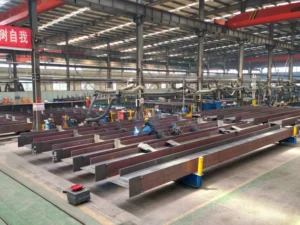
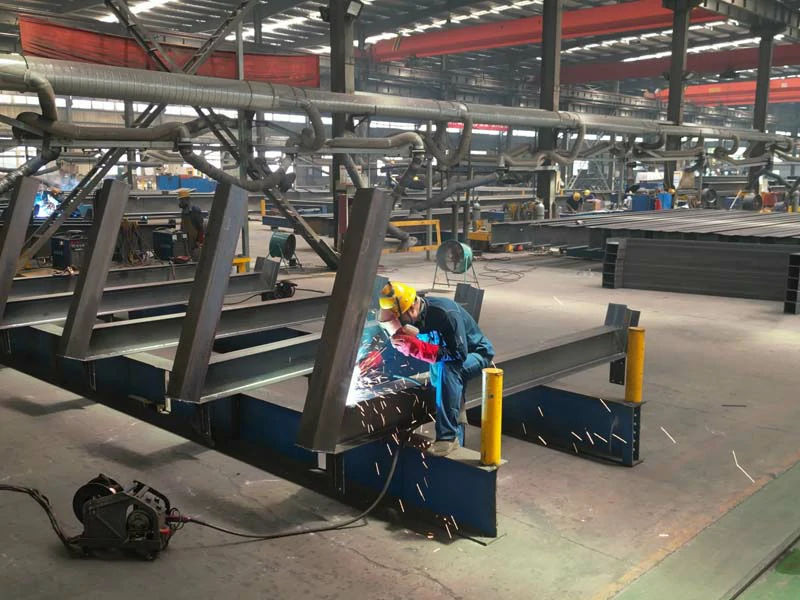
We use only certified welders with years of petrochemical project experience. Their work is closely monitored. We run non-destructive testing (NDT)—ultrasound, x-rays, magnetic testing—before anything leaves the factory. We run practice assemblies in the shop when it matters, so our fit-up is perfect before it meets the field.
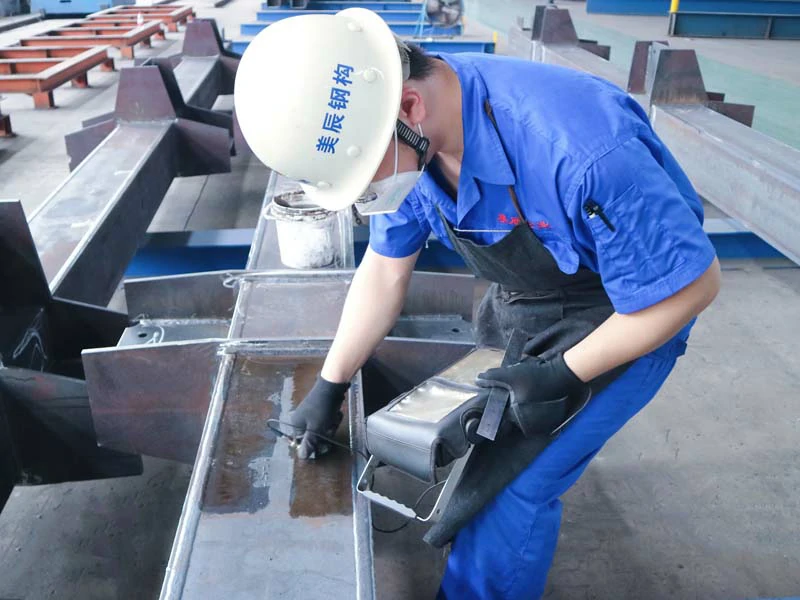
One project still stands out—a big heat exchanger support, 20 meters long, critical path for the whole expansion. Fit-up in the shop showed a subtle mismatch. We called the engineer, found a weld preparation error, and fixed it before shipping. If we’d only tested onsite, it would have added weeks and huge costs. That’s the value of believing in real pre-assembly and layered inspection.
| Quality Checks | Why We Insist | How It’s Done |
|---|---|---|
| Certified Welders | Proven track record | Hire only with focused experience |
| Welding Procedures | Consistent, code-approved methods | Prepare and review WPS/WPQ |
| NDT Testing (UT, RT, MT) | Find invisible flaws/voids early | Done on every critical connection |
| Shop Fit-Up | Prevent on-site headaches | Pre-assemble key frames, check all |
We don’t leave “not found” for the job site. We find it first—or pay for it later.
What are the hidden secrets of surface preparation and anti-corrosion treatment?
Surface prep gets treated like a “paint” step way too often. But in our industry, it’s as critical as welds and steel grade. The right prep and coatings stand between the plant and millions in lost production.
We don’t just sandblast or shot blast and move on. We measure every surface—profile depth, humidity, and especially salt contamination. For tough spots, we use multi-layer coating systems or galvanize for double durability. We’ve learned to always check. Invisible salty residues? They will destroy even top-grade coatings inside of a year.
Once, in a coastal project, we saw expensive coatings delaminating after six months—painful. Turns out, the steel had missed a simple salt test after blasting. We fixed it, but never forgot: always measure, always verify.
Here’s how we typically choose treatment:
| Surface Prep or Coating | Protection Level | Used For | Key Control |
|---|---|---|---|
| Sand/Shot Blasting | Cleans, profiles | All steel | Profile gauge, residue test |
| Zinc-rich Primer | Base sacrificial | Beams/frames, tanks | Thickness, cure check |
| Epoxy/Polyurethane Topcoat | Abrasion, chemicals | Exposed/interior sections | Humidity, DFT measurement |
| Hot-dip Galvanizing | Max corrosion | Pipelines, join plates | Bath quality, visual inspect |
| Duplex System | Best durability | Worst chemical areas | Layer timing, full inspection |
We tell our teams: Trust, but verify. One unchecked shortcut at this stage costs a fortune down the road.
How do logistics, coordination, and after-sales support impact the bottom line?
No matter how well we build, if steel arrives late, damaged, or with missing records, everyone loses. Every successful handover I’ve seen starts with discipline and ends with service.
We package everything to survive real-world shipping. We run real-time digital tracking—RFID, QR codes—from the moment steel leaves our shop. At the site, we use only teams with a record for safe, fast assemblies. And after handover? We believe in sticking around—offering maintenance, inspection, and advice—so the steel delivers value year after year.
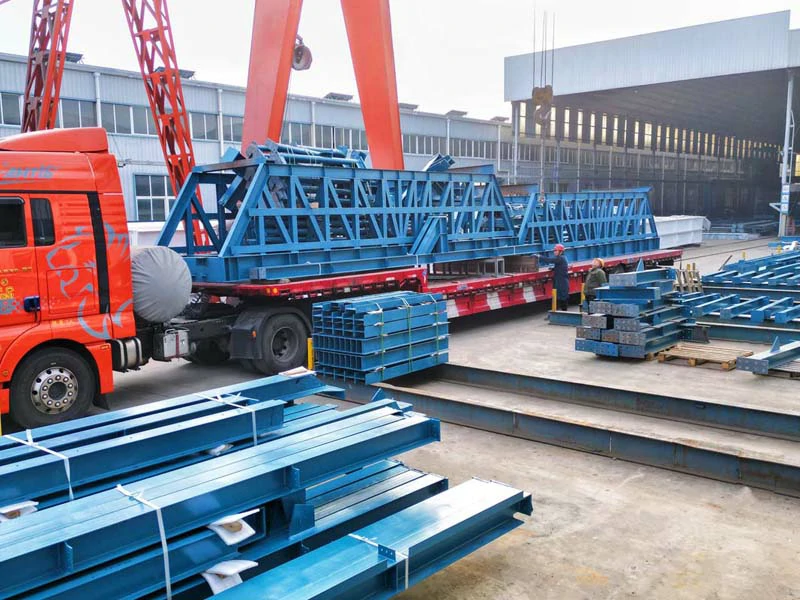
On a tight refinery job, a delay in one module would have triggered contract penalties. Our tracker flagged a hold at customs—because we caught it fast, our logistics team rerouted, saving the project from a cascading delay. You can’t afford gaps between fabrication and construction. I tell our clients: even one disconnected steel lot means hours burned and budgets strained.
| Logistics / Support Factor | Why It Matters | How We Tackle It |
|---|---|---|
| Protective Packaging | Prevents weather, transit damage | Shrink wrap, wood crating |
| Real-Time Tracking | No lost time, instant troubleshooting | QR/RFID on every batch |
| Documentation | No confusion at install, full traceability | Digital job packets, as-built docs |
| After-sales Service | Less downtime, longer asset life | Inspection, guaranteed support |
We see client support as a partnership, not a checkbox. When you call years later—it’s our job to answer.
Conclusion
Every successful petrochemical steel structure comes from lived experience—a thousand lessons, caught and passed on. We never settle for “good enough” when reliability, safety, and reputation are on the line.