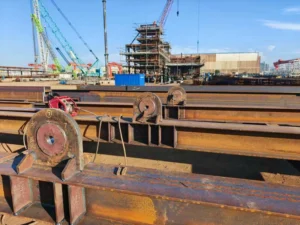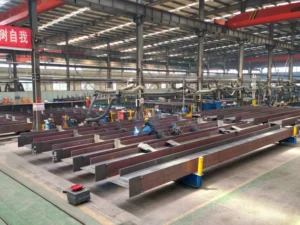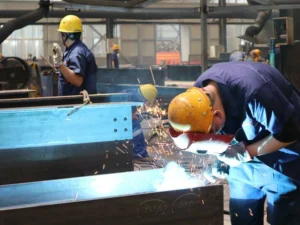
Pipe rack failures can stall entire plants and drive up maintenance prices. At Meichen, we have fixed enough site headaches to know—every detail matters when supporting vital equipment.
Fabricating pipe racks and equipment supports requires thoughtful assessment, careful material choice, and practical engineering. We start every job by reviewing loads, layout plans, and site risks, and follow up with detailed drawings, rigorous inspection, and responsive site support. This approach builds lasting reliability and keeps plant operations smooth.
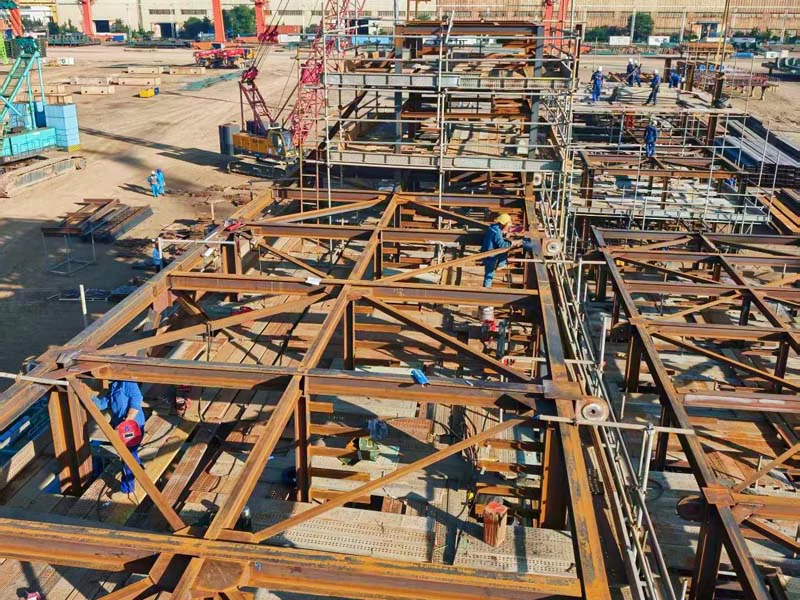
Over years of work, we have seen how a poorly planned rack can double maintenance bills or create safety issues that slow production. Walking clients through each step ensures everyone understands why good racks cost less in the end. Let’s break down how we turn steel into safe, efficient support—part by part.
Why Is Project Assessment and Design the Foundation for Pipe Rack Success?
Missing just one load factor during design can trigger failures, safety incidents, or expensive fixes later. Our assessment and planning phase is where quality begins.
We always start with a full review—process piping loads, seismic zones, future plant expansions, and all maintenance access needs. We ask clients about operational flow and growth plans. Modular design for pipe racks lets us adapt, extend, and simplify site work.
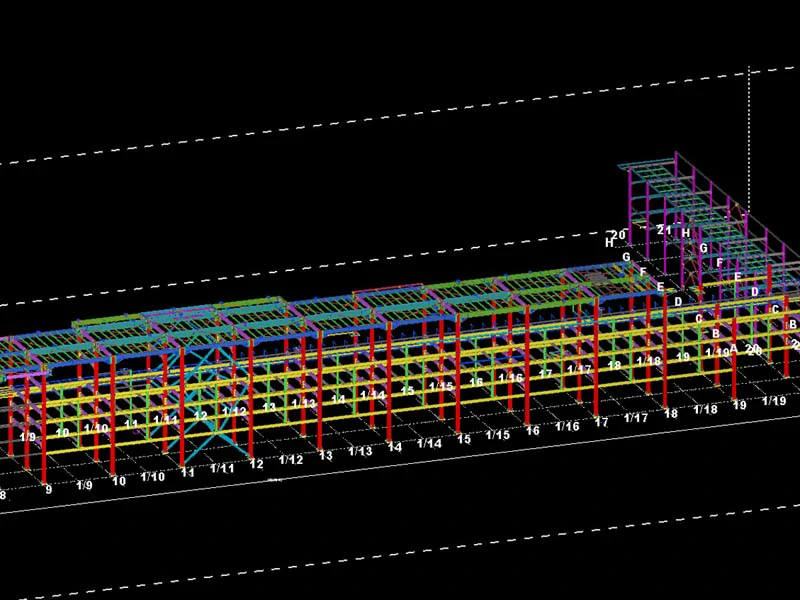
Here’s how we approach project assessment:
| Assessment Item | Why It's Critical | Our Strategy |
|---|---|---|
| Process Piping Load | Avoid rack overload and leaks | Gather latest piping weight and flow |
| Seismic Checks | Ensure safe structure in earthquake regions | Calculate seismic forces, local rules |
| Expansion Plans | Add flexibility for future growth | Modular, scalable rack designs |
| Maintenance Layout | Easy access to valves, instruments | Plan safe walkways/platforms |
| Operational Flow | Prevent bottlenecks, allow smart routing | Map plant layout, interview clients |
When we help a plant manager plan their rack layout, we put ourselves in their shoes. We know tight schedules push rushed decisions, but this step saves millions in facility downtime later. The client’s input shapes a solution with room for upgrades and simpler maintenance.
How Does Material Selection Affect Pipe Rack Performance?
Material problems often hide until the rack is loaded and the plant starts up. We never skip mill certificate checks, and always test batches to prevent surprises.
Choosing the right steel protects the whole investment. For most oil and gas sites, we use high-quality carbon steel with hot-dip galvanizing. In coastal or chemical plants, stainless steel or aluminum is a smarter pick. In seismic regions or high-load racks, high-strength steel is our go-to.
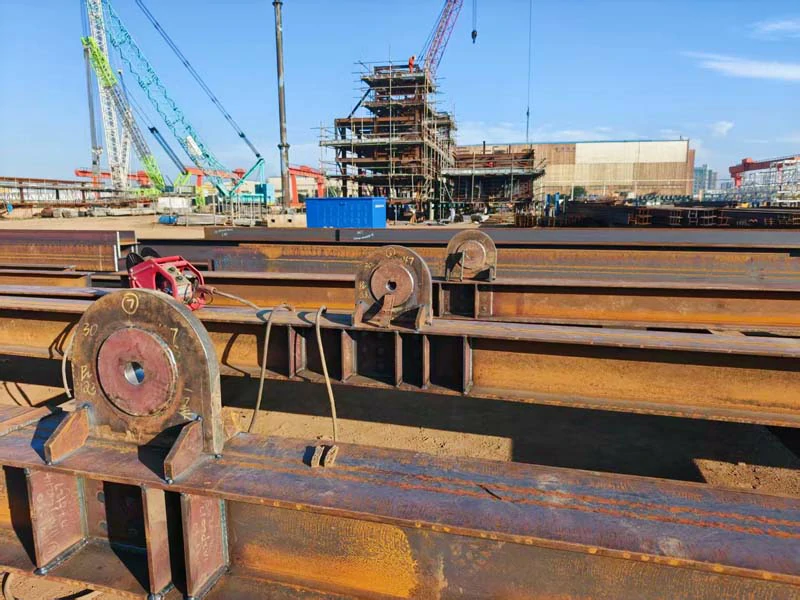
We learned early that a single weak batch can ruin a project. That’s why we demand full mill certificates, random testing, and surface treatments. Clients appreciate when we explain how better material means fewer interventions, lower risk, and more uptime.
| Material Type | Best Use Cases | Key Checks We Do | Benefits to Client |
|---|---|---|---|
| Carbon Steel | General applications, cost-effective | Mill certs, galvanizing | Durable, low-cost, corrosion-resistant |
| Stainless Steel | Corrosive, coastal plants | Factory test, passivation | High resistance, long service |
| Aluminum | Weight-critical, clean environments | Sourcing checks | Easy installation, light loads |
| High-Strength Steel | Earthquake/high-load, tall racks | Grade records, extra QC | Strong, reliable under stress |
When our US client needed robust racks for a refinery in a seismic zone, we added seismic bracing and double-checked steel grades. That proactive step won us repeat contracts and their trust.
Why Are Detailed Engineering Drawings Essential for Pipe Rack Fabrication?
Clear drawings keep teams safe and sites efficient. We prefer 3D modeling software to spot clashes—because we have seen costly site mistakes more than once.
We prepare fabrication and erection drawings with Tekla or Revit, marking all load combinations and showing where every split fits the plant layout. Maintenance platforms and cable tray paths are shown on each layout. Simple, color-coded splits mean faster assembly and fewer errors.
In practice, rushed or unclear drawings always lead to onsite confusion. Clients notice the difference when our documents are easy to read and match their schedule.
| Drawing Feature | Practical Benefit | Our Drawing Strategy |
|---|---|---|
| 3D Clash Detection | Prevents pipe and rack conflicts | Use Tekla/Revit modeling |
| Marked Shipping Splits | Easiest installation sequence | Color-coded labels |
| Load Combination Notes | Avoid unexpected failures | Clearly show wind/seismic |
| Maintenance Access Paths | Save time in plant upkeep | Add platforms, walkways |
| Cable Tray Integration | Simplifies electrical installation | Include tray supports |
Recently, we turned a multi-function rack layout into easy-to-follow drawings. The client’s team finished install ahead of schedule and did not miss any cable tray supports.
What Fabrication Processes Ensure Safe, Reliable Pipe Racks?
The quality of welding and surface treatment decides rack longevity. We insist on automated welding and thorough inspection, knowing defects cost in both downtime and reputation.
We use CNC plasma cutting for speed and accuracy, with automated welding where possible. Every weld goes through two rounds of non-destructive testing (NDT). Sandblasting and primer coats protect against corrosion, and hot-dip galvanizing adds another layer.
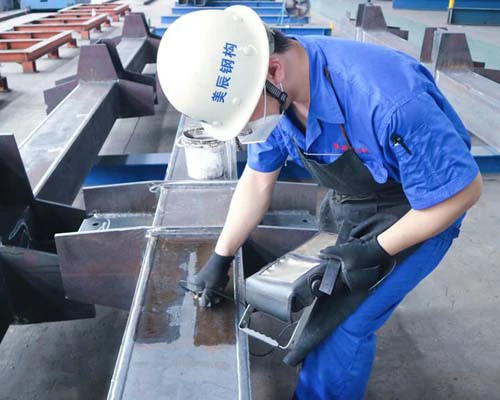
When one client hesitated about extra weld testing, we explained that checking even small projects prevents future warranty claims and structural risks. They agreed, and the racks have delivered zero defects through multiple audits.
| Fabrication Step | Our Technique | Why Clients Trust It |
|---|---|---|
| CNC Cutting/Shaping | Automated plasma cut | Tight tolerances, speed |
| Automated Welding | Machine + manual skill | Consistent, strong joints |
| Double NDT Inspection | Pre and post-welding checks | No missed cracks or voids |
| Sandblasting/Primer | Deep clean, primer coat | Stops corrosion, extends life |
| Galvanizing/Finish Coat | Full dip or spray coat | Best for harsh environments |
Whenever we deliver racks, we share the inspection report—clients see every QC step, and they know the steel’s story from factory to site.
How Do Quality Control and Inspection Build Trust for B2B Clients?
Trust comes from traceable quality, not promises. We combine in-house checks and third-party certifications to meet industry standards and client demands.
Dimensional checks, ultrasonic weld scans, and torque tests guarantee each rack meets ISO, ASTM, or AISC standards. Third-party certifications are often a deal-maker—many clients require them before signing contracts.
We built our inspection process with both local and export clients in mind. When a client needs third-party QA, we handle all coordination. They get full traceable paperwork, easy for their records and audits.
| QC Step | Industry Standard | How We Execute It | Client Benefit |
|---|---|---|---|
| Dimensional Check | ISO/ASTM/AISC | High-precision tools | Guarantees fit, faster install |
| Ultrasonic Weld Testing | AWS/ISO/AISC | UT on every critical joint | Ensures weld integrity |
| Bolted Joint Test | ASME/ISO | Smart torque tools | No loose or failed joints |
| Third-Party Audit | ISO, SGS, BV | Full coordination | Trustworthy documentation |
Our US customers frequently mention that documentation and consistent QC help them justify decisions to their board. It makes their bidding and project closer easier.
What Packing, Shipment, and Site Erection Support Prevent Delays and Mistakes?
Late assembly costs you money and can burn relationships. We pre-assemble racks, double-mark every member, and offer on-site supervisors for fast install.
Every section arrives at site ready to fit together. Each piece is marked twice—paint and label—to eliminate confusion. Our supervisors help teams interpret drawings and fix unexpected issues right away.
When a client faced deadline pressure, we sent site supervisors who coordinated directly with their contractors. The result: racks up in half the usual time, and zero assembly errors.
| Site Support Feature | How It Works | Real Benefit to Client |
|---|---|---|
| Pre-Assembly | Racks prefabricated offsite | Fast onsite installation |
| Double Member Marking | Paint + label system | No confusion, smooth work |
| Erection Supervision | Experienced supervisor onsite | Immediate issue resolution |
| Fast Track Service | Project-dedicated support team | Keeps schedule, prevents overruns |
This site support often becomes the deciding factor for repeat clients—solving delays is one pain point we know how to fix.
What Hidden Secrets and Advanced Tips Win B2B Pipe Rack Contracts?
Winning contracts means going beyond just the steel. Customization, lifecycle support, and digital twin solutions are how we build business partnerships.
We always customize rack height, span, and load for tough sites. We keep in touch to inspect and maintain racks after installation, helping clients avoid downtime. Recently, we have begun offering digital twins—virtual replicas clients use to monitor racks remotely, schedule maintenance, and track performance.
Clients tell us customization solves site problems that standard modules cannot. Post-install support locks in loyalty. Digital twin solutions—being able to track racks on their phones—surprises and impresses most clients.
| Sales & Service Approach | How We Execute | Key Client Benefit |
|---|---|---|
| Flexible Customization | Adapt specs for unique layout | Real problem-solving |
| Lifecycle Inspection Service | Regular QA, maintenance report | Long-term reliability |
| Digital Twin Technology | Virtual tracking, remote alerts | Less downtime, cutting-edge |
We want clients to know that fabricating pipe racks is not just about steel—it’s about partnership, lasting safety, and future-proofing their operations.
Conclusion
Pipe rack and equipment support fabrication is an experience-driven craft. Every project teaches us that careful planning, clear drawings, strong materials, and responsive support are what keep plants safe, efficient, and future-ready. We turn these lessons into real value, every single time.