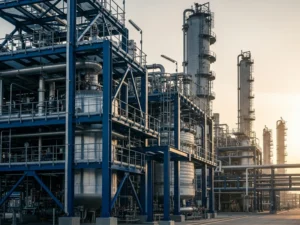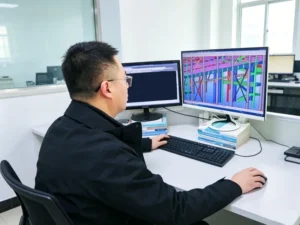
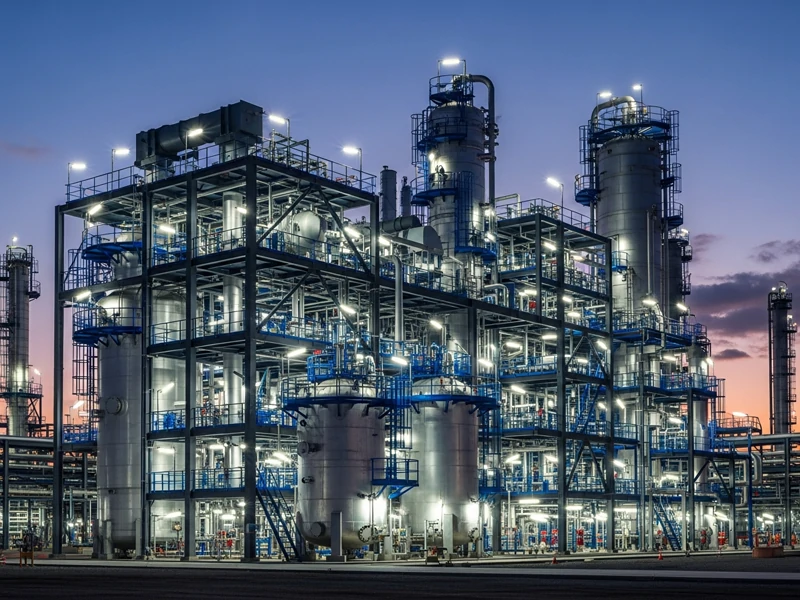
Steel structures in refinery and petrochemical plants frequently encounter challenges that most buyers do not anticipate. We have learned these lessons from first-hand experience: delays and mistakes with steelwork drive up shutdown risks, slow maintenance, and increase hidden costs.
Steel structures are the backbone of refinery and petrochemical plants because they combine strength, fast installation, and adaptability. If we select and coordinate steelwork well, the result is safe, efficient, and enduring plants. The solution isn’t just a good price—it is careful attention to accuracy, corrosion protection, and operational fit.
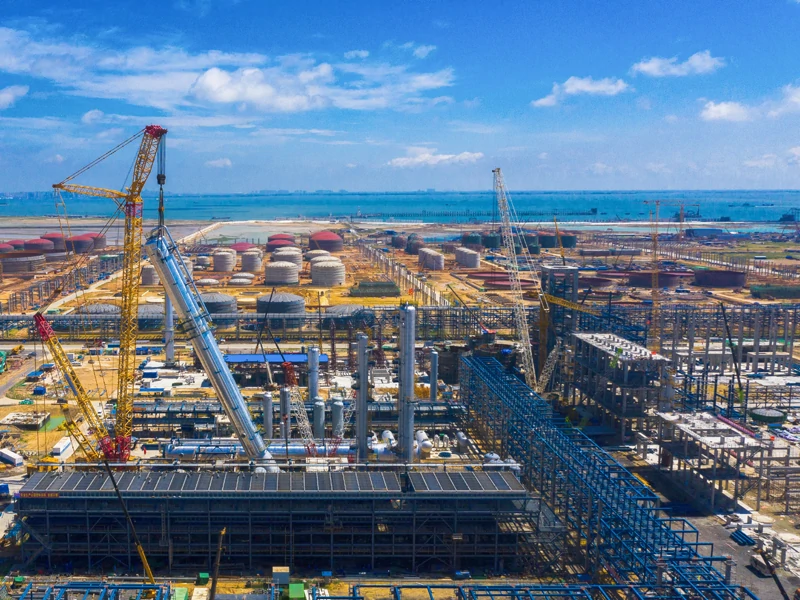
In these facilities, steelwork is everywhere: pipe racks, equipment supports, access platforms, modular skids, and even warehouses. Whenever our team overlooks a detail, the site pays for it later. Let’s walk through the essential lessons and practical guidance that have helped us deliver successful projects.
Why Are Steel Structures Vital in Every Petrochemical Plant?
Steel offers fast, flexible solutions to complex plant layouts. It carries massive loads, supports machinery, and creates access routes for operations and maintenance.
Steel structures do more than stand up equipment; they allow us to change layouts, expand plants, and adapt as needs shift. Their flexibility means we can re-route pipes, install new platforms, and handle shutdown repairs quickly.
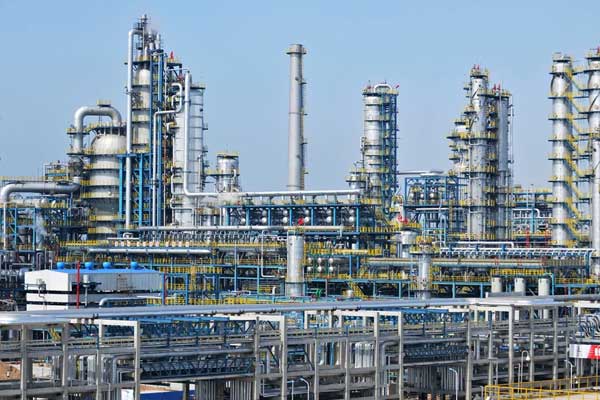
Our experience is clear: steelwork should be a priority early in project planning. If we treat it as secondary, installation slows, clashes multiply, and shutdowns get longer and costlier.
Dive Deeper: Types and Functions of Steel Structures We Use
| Structure Type | Main Function | Common Design Challenge | Site Lesson Learned |
|---|---|---|---|
| Pipe racks | Carrier for pipes/cable trays across plant zones | Allowing for loads, thermal movement | Missing stress loads causes late rework |
| Equipment Supports | Holds heavy, vibrating equipment (pumps, compressors) | Stiffness for vibration, anchors | Weak frames create operational vibration issues |
| Process Units | Multi-level support for dense piping/equipment | Coordination with platforms, escapes | 2D drawings hide clashes, 3D models solve them |
| Access Platforms | Ensures safe operation/maintenance access | Ergonomics for routine maintenance | Poor layout slows every future shutdown |
| Modular Skids | Prefab packages with steel & equipment | Tight tolerance, transport | Small errors ruin alignment, trial assembly is key |
| Warehouses | Shelter tools, spares, maintenance teams | Fire rating, corrosion protection | Standard steel fails, industrial grade lasts |
Every time we focus on only one aspect—like tonnage price—rather than practical use, we face costly corrections. Real project success comes from balancing function, safety, and future adaptability, not just up-front cost.
What Are the Main Types of Steel Structures We Use?
Pipe racks, equipment supports, complex process frames, safe access platforms, modular skids, and robust warehouses all serve essential roles.
Steelwork in these roles has to fit real site demands: it must support loads, resist corrosion, handle vibration, and offer safe access for some of the toughest maintenance jobs.
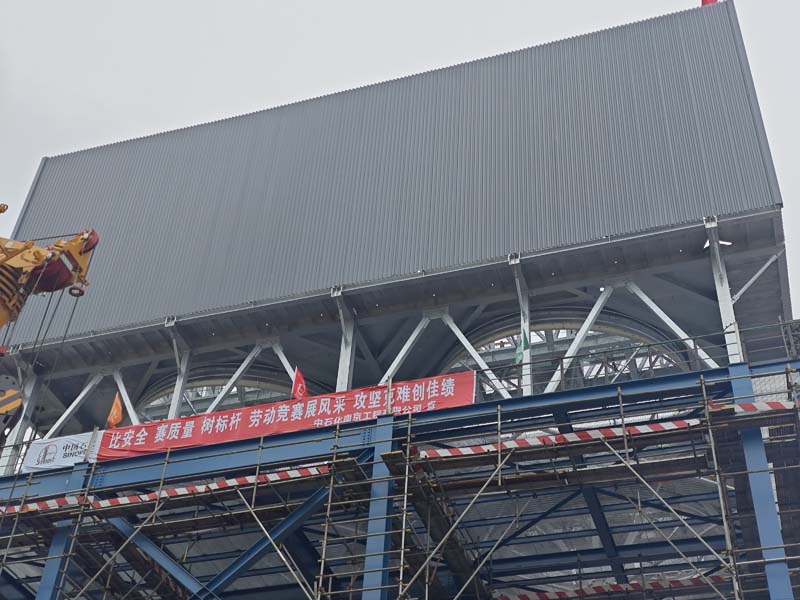
We’ve seen that skipping coordination between steel and piping or equipment is the root cause of most installation headaches. We now insist on careful joint reviews before fabrication begins.
Dive Deeper: Our Practical Guidance for Design & Coordination
| Structure Type | What We Focus On | What Goes Wrong Without It | Our Solution |
|---|---|---|---|
| Pipe racks | Including friction, stop, future loads | Basic drawing misses real load | Work with stress engineers, use checklist |
| Equipment supports | Stiffness, dynamic loading | Vibrations affect gear | Use vibration analysis, stiffer beams |
| Process units | Platform & escape routes, dense layout | Installers stuck, emergent clashes | BIM clash detection, regular layout review |
| Access platforms | Slip resistance, safe reach | Unsafe, slow maintenance | Ask operators, adjust platforms |
| Modular skids | Dimensional control, transport bracing | Misalignment, shipping issues | Trial assemble, pre-check tolerances |
| Warehouses | Corrosive/fireproof materials | Early corrosion, fires | Specify proper protection, test samples |
Over time, we’ve learned to involve all stakeholders early—from engineering, operations, to maintenance. We use experience and checklists, not guesswork.
What Are Key Design Considerations for Steelwork in Petrochemical Plants?
Corrosion, fireproofing, load combinations, connection design, and materials all affect plant reliability and safety. If we miss any, we risk years of costly repairs and shutdowns.
Corrosion protection is not just about thick coatings. We specify surface prep grades, edge rounding, and pre-approve paint systems. Fireproofing demands proper detailing—you must prevent water trapping under coatings. Loads are not just operational: hydrotest, maintenance cranes, wind, seismic, and blast loads all count. Connection design must suit the actual site erection, not only look good on paper.
Years ago we learned the hard way: the weakest link is often overlooked details. One missed coating test means thousands lost in premature repairs. One missed load combination means extra steel or redesign.
Dive Deeper: Real-World Details We Refuse to Ignore
| Challenge | Common Mistake | What Makes It Work |
|---|---|---|
| Corrosion | Picking “cheap coating”, ignoring prep | Specify surface prep, edge treatment, test |
| Fireproofing | Ignoring water drainage, bolt access | Detail connections for drainage, accessibility |
| Loads | “Normal operation” only in design | Confirm all load cases with all parties |
| Connections | Site bolt access not considered | Site walkdown, simple connections preferred |
| Materials | Accepting “equivalent” local steel | Insist on certificates, send samples |
We work with inspectors, keep records, and check every item against both owner standards and international codes. After years of surprises, we’ve learned: documentation is risk control.
What Fabrication & QA Challenges Should We Anticipate?
Refinery steelwork is not basic construction steel. We face complex geometry, tight tolerances, specialized coatings, and strict QA paperwork.
A good fabricator is not the cheapest; they are the most reliable under pressure. Poor fit-up, wrong holes, missing marks, and bad coatings delay installation and multiply costs. We track progress weekly and exchange QA documents frequently.
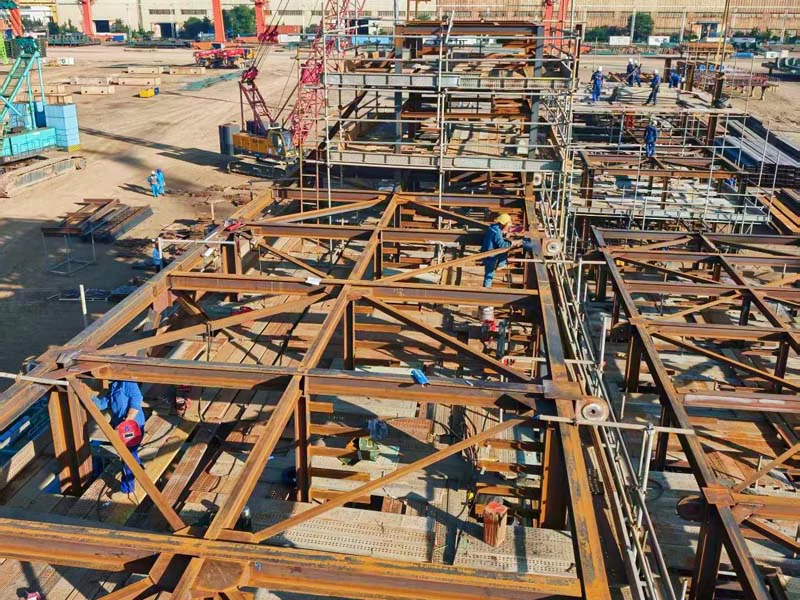
In one project, we spent days fixing missed weld marks. In another, paint failures forced a premature shutdown. Those mistakes are now eliminated with checklists and QA controls.
Dive Deeper: How We Check and Control Real Quality
| Issue | Impact on Project | Our Control Steps |
|---|---|---|
| Dimensional errors | Site delays, false starts | Use trial assembly, document inspections |
| Coating failures | Fast corrosion, early shutdown | Contract surface prep, batch DFT tests |
| Missing erection marks | Confused site teams | Tag and pack all parts clearly, site walkthrough |
| Undocumented welds | Approval delays, missed reviews | Full NDT, welder certificates, inspection logs |
| Late deliveries | Schedule slips, owner penalties | Milestone tracking, backup supplier lists |
Our best projects succeeded because we checked and documented every step. We welcome third-party reviews and inspections—they keep everyone honest and protect owners.
What Buyer Mistakes Have Cost Us the Most?
Early on, we made these mistakes: selecting suppliers by unit price, skipping corrosion classifications, ignoring tolerances, separating steel and piping design, neglecting documentation, and missing erection plans.
Soon, we realized that real costs lie beneath the surface. For example, a cheap platform slows every future shutdown, multiplying labor costs five years later.
Now, our procurement focuses on total value, not only the invoice. We discuss practical needs openly and document everything for future handover.
Dive Deeper: Lessons We Wish We Had Learned Sooner
| Mistake | Costly Outcome | Our Current Practice |
|---|---|---|
| Ton price focus | Expensive site correction | Choose for QA, references, clear scope |
| Wrong corrosion spec | Early outages | Site-survey with owner, test coatings |
| Missed tolerances | Misfit modules | Insist on trial assembly, tight QA |
| No coordination | Clashes, stopped work | Use 3D models, weekly coordination reviews |
| Poor documentation | Approval delays | MDR checklists at bid phase |
| Ignored erection plan | Install stuck at site | Walk site, plan member lengths, review lifts |
We share these lessons to help others avoid costly traps. When everyone is informed—from engineering to procurement—the project stays on track.
How Do We Pick Reliable Steel Structure Suppliers?
A reliable supplier knows industrial standards, has strong QA/QC, delivers accurate fabrication, communicates quickly, and provides transparent records.
We always ask for similar project references, sample documents, trial assembly videos, paint certificates, and clear workflow charts. A good partner shares these without hesitation.
Whenever we find a supplier unwilling to share details, it is a warning sign. Technical transparency signals experience, not price alone.
Dive Deeper: Our Supplier Vetting Checklist
| What We Ask | Why We Ask It | How They Prove It |
|---|---|---|
| Industrial experience | Matches process demands | References, photos, videos |
| QA/QC strength | Site reliability | Sample documents, MDRs, inspection logs |
| Accurate fabrication | No costly site rework | Trial assembly, tight tolerance reports |
| Coating/fireproofing | Avoids premature failures | Coating certificates, procedure sheets |
| Modular competence | Faster schedule | Skid lifting, transport design docs |
| Export/documentation | Smooth closeout | Packing lists, clear Dossier submission |
| Communication speed | Solves problems fast | Workflow charts, response times |
| Coordination ability | Fewer clashes/delays | BIM integration, meeting notes |
We only trust suppliers who give us everything upfront. If they stall, we move on. This protects the schedule and the plant for years to come.
Conclusion
Steel structures in refinery and petrochemical settings must be much more than frames—they’re the foundation for safe, efficient, and reliable plants. Our experience shows the right focus on design, QA, and supplier selection always pays off in project success and long-term savings.