If you’ve ever outsourced steel fabrication, you know how nerve-wracking it can be. Deadlines loom, quality is paramount, and the contract feels like a ticking clock. We’ve made mistakes—and learned tough lessons—that shaped how we handle risk today.
To reduce risks, we always start with the basics: pick the right supplier, nail down every detail in our documents, check quality at every stage, communicate clearly, lock in fair contracts, prep logistics, and invest in relationships. These aren’t just buzzwords; they’re steps we’ve taken on real projects to avoid disaster.
I’ve seen how one missed detail can snowball into unforeseen costs or long delays. Let’s break down exactly what we do to stay ahead of risk—sharing real stories and actionable strategies from our experience in steel structure projects.
Why Does Picking the Right Fabricator Matter So Much?
Choosing a fabricator is much more than hunting for a famous name or the lowest bid. A great track record is helpful, but we also seek out how the team responds to surprises, late changes, and even crisis management.
We do our homework. We ask for references, review actual past projects, and if possible, visit the factory in person. ISO certifications give us confidence in their systems, but sometimes smaller suppliers have more agility and can turn around orders faster. We balance all these factors, not just price or reputation.
I remember one project where everything looked perfect on paper. When the team was hit with a major design change late in the process, the supplier simply couldn’t adapt. That delay cost us weeks. Since then, we look for responsiveness as much as technical ability. Here’s how we weigh our options:
| Factor | How We Evaluate It | Why It Matters |
|---|---|---|
| References | Talk to clients with similar projects | Past performance |
| ISO Certification | Check for ISO 9001, EN 1090, AWS Cert | Robust quality system |
| Flexibility | Ask about handling design changes | Can they adapt quickly? |
| Financial Health | Review credit history | Stability for big projects |
| Responsiveness | Direct contact, crisis procedures | How fast do they react? |
We never assume. There’s no substitute for picking up the phone, visiting the factory floor, and asking real questions—especially when the stakes are high.
How Do Clear Technical Documents Prevent Disputes?
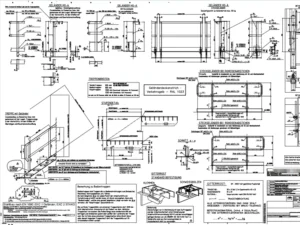
So many project headaches come from unclear specifications. We’ve paid for small lapses—like missing weld symbols or poorly defined surface treatment—by spending weeks on costly rework and arguments with suppliers.
Our strategy is simple: invest upfront in documentation. We use annotated drawings, mock-ups, and 3D models. We insist on design review sessions with all stakeholders. Every change gets logged—no exceptions. This saved us from major headaches more times than I can count.
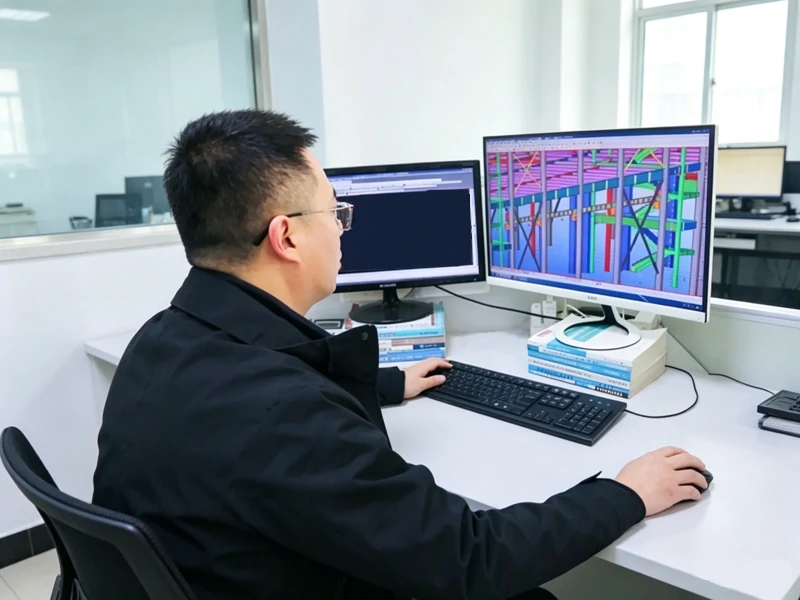
Not long ago, a missed note in the surface finish led to a dispute with the fabricator—it was supposed to be hot-dipped galvanized, but the spec only said “coated.” It became messy. Today, we share annotated models, involve the field team in reviews, and update docs constantly. Clear, visual instructions avoid confusion and ensure suppliers know exactly what matters.
| Issue | What We Do | Result |
|---|---|---|
| Ambiguous specs | Annotated 3D models & mock-ups | Zero confusion, fewer errors |
| Design changes | Change log accessible to everyone | No surprises, full consensus |
| Document updates | Regular review meetings | Everybody stays aligned |
| Communication gaps | Kickoff calls with both sides | Fast problem-solving |
If there’s one lesson we’ve learned—it’s that 30 minutes spent clarifying drawings can save weeks of conflict and money lost on rework.
How Can Multi-Stage Inspections Uncover Hidden Quality Risks?
Many fabricators want the project manager to sign off with just a final inspection. But hidden mistakes often start with raw materials or during welds and cuts—not at the end.
We insist on step-by-step quality control. This starts with raw material certificates (mill certs), continues with in-process audits (visual, UT, MT inspections), and often ends with third-party quality checks—especially on international projects. We don’t wait until it’s too late.
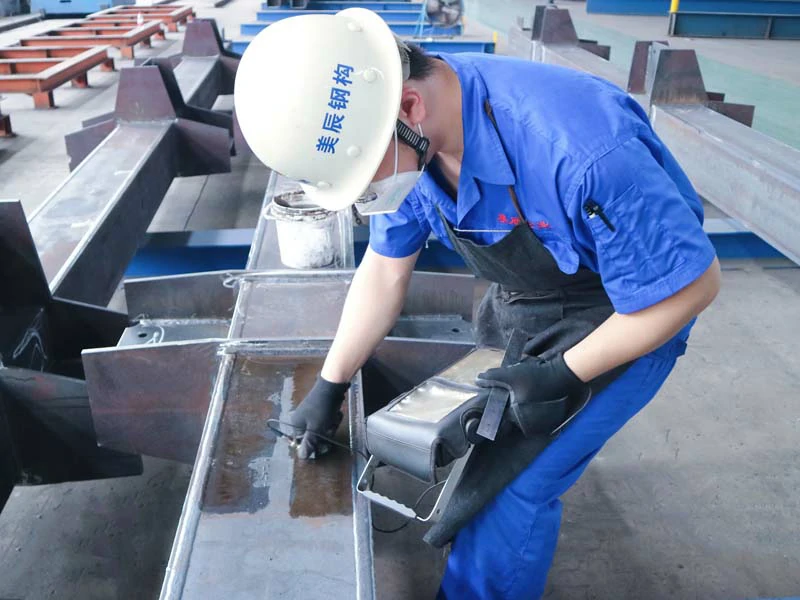
On one site, a faulty weld wasn’t caught because the team skipped in-process checks. By the time we discovered it, the cost of fixing was far higher. That’s why we build quality into every stage of the process.
| Stage | Inspection Type | Who Does It | Why It Matters |
|---|---|---|---|
| Raw Materials | Mill certificates, ID check | Supplier & Project QC | Bad material = bad product |
| Cutting/Welding | Visual, UT, MT audits | Project QC & 3rd party | Catch defects early |
| Assembly/Finish | Dimensional, surface review | Project engineer | Final assurance |
| International | 3rd party QC agency | Local expert, unbiased | Avoid local bias |
We’ve found the cost of extra inspection is always less than the cost of risky surprises or safety failures.
What Makes Communication and Project Coordination So Important?
Miscommunication is the silent killer of steel fabrication projects. We’ve watched entire jobs grind to a halt simply because someone missed an email or didn’t clarify a drawing—especially with cross-border teams.
Now, we assign a dedicated coordinator on both sides. Weekly progress calls are mandatory. We use simple, instant tools—Teams, WhatsApp, Slack. Every report must be concise and actionable. If something goes wrong, we know who to call and how to react fast.
Once, our U.S. team and our Asian fabricator lost touch for over a week. Nobody noticed a mounting delay. Today, real-time chats mean we never miss a crisis. Regular calls catch issues before they explode. Here’s how we keep everyone on track:
| Task | Our Practice | Outcome |
|---|---|---|
| Status Reporting | Weekly concise updates | Early problem alerts |
| Progress Calls | Scheduled for all teams | No ambiguity, clear roles |
| Instant Messaging | Teams/WhatsApp for quick fixes | Fast response |
| Coordinators Assigned | One point of contact both sides | Accountability |
We learned that just a little more time spent on this pays off in a big way—jobs stay on track, issues get solved fast, and everyone is clear about the next steps.
How Do Contract and Payment Terms Protect Our Project?
We’ve been burned by unclear contracts. It’s never just about the money—a vague payment schedule lets suppliers withhold shipments, or demand more for off-spec changes.
Our contracts use milestones linked to deliverables, not just calendar dates. Penalty clauses cover delays, bonus clauses reward early completion. Warranty and liability are clear for both sides. We make sure every project detail is built into the contract, not implied.
One time, a supplier delayed shipping because the payment terms weren’t spelled out. Our project sat idle, costing us revenue. Since then, we use this framework:
| Term | Details | Impact |
|---|---|---|
| Milestone Payments | Based on completed stages | Motivation & fairness |
| Penalty Clauses | Deducted for lateness | Keeps timeline tight |
| Bonus Clauses | Added for ahead-of-schedule | Rewards efficiency |
| Warranty/Liability | Written coverage | No dispute if problems |
Clear payment schedules protect our deliveries. Written clauses protect us from extra costs and endless arguments.
How Can Logistics and Customs Planning Save a Project?
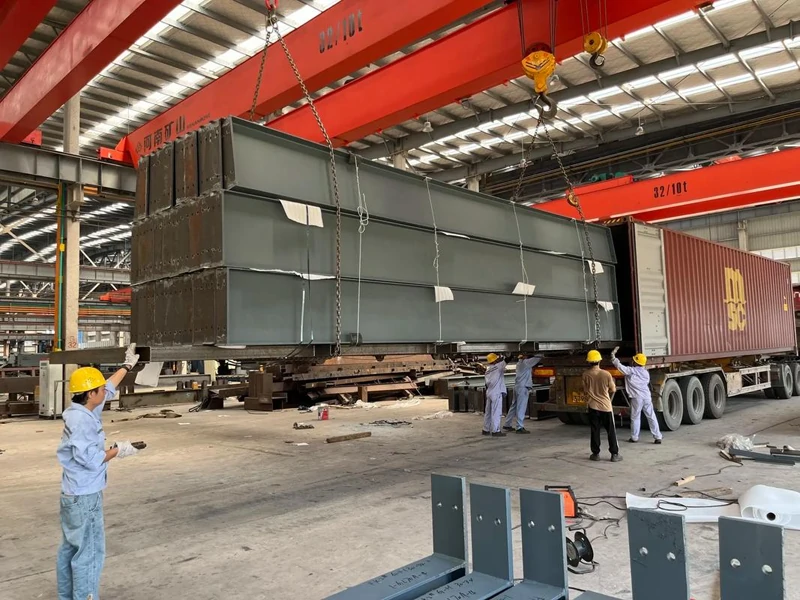
Steel fabrication products are heavy, oversized, and often cross borders. We’ve had beams stranded at ports for days, all because nobody coordinated customs paperwork or factored in local holidays.
Our approach: work only with logistics partners experienced in heavy steel. Confirm delivery timelines and customs documentation in writing. Always allow buffer time—because Murphy’s Law loves port strikes and missed permits.
A few years ago, we faced one of our worst nightmares: a shipment stuck in customs during a national holiday. Since then, written confirmations, extra buffer days, and partner expertise have saved us from repeating that mistake.
| Risk | What We Do | Result |
|---|---|---|
| Port Delays | Partner with heavy logistics pros | Predictable deliveries |
| Customs Paper | Demand written documentation | Smooth, legal clearance |
| Holidays/Strikes | Add buffer time to every ETA | No panic, safer schedule |
This extra planning is a tiny cost compared to the price of delays and frantic last-minute fixes.
Why Are Supplier Relationships the Secret Ingredient?
Most of our best projects come from long-term partnerships. We’ve learned that treating suppliers with respect and fairness pays big dividends. They alert us to problems ahead of time, prioritize our projects, and find solutions for tough challenges.
Repeat business, prompt payments, and honest feedback go a long way. Sometimes we even share market insights or work on joint development—this sets us apart as an A-list client, not just another order.
On one complex refinery job, our supplier flagged a design flaw early—saving us days and rework costs. That trust built over years is the real secret; it turns suppliers into partners.
| Action | How We Do It | Benefit |
|---|---|---|
| Repeat Business | Reliable orders | Priority treatment |
| Prompt Payment | Pay on time, every time | Trust & reliability |
| Feedback | Honest reviews, improvement tips | Better quality, fewer issues |
| Joint Projects | Share R&D, market info | Innovation, shared wins |
When suppliers see us as partners, they go the extra mile. In this business, loyalty and trust beat strict contracts alone.
Conclusion
Outsourcing steel fabrication is never risk-free. But with careful supplier selection, airtight documents, stepwise quality checks, clear communication, smart contracts, good logistics, and lasting relationships, we dramatically cut the risk—and deliver results you’ll be proud of.