What Is the Real Scope of Steel Structure in a Petrochemical EPC Project?
If you’ve ever thought steel structure in petrochemical projects just means “the frame of a building,” you’re in for a surprise. Confusion here leads to cost overruns, schedule slips, and endless headaches.
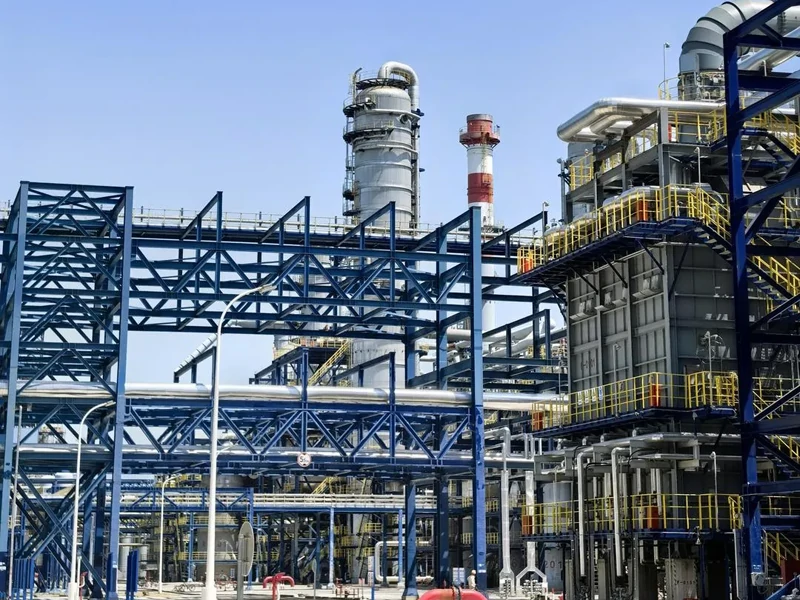
Steel structure scope in petrochemical EPC covers all structural steel systems, not just main frames. It includes process equipment supports, pipe racks, cable trays, access platforms, safety steelwork, floors for operators, utility and warehouse buildings, and every bit of engineering, fabrication, and finish from shop to site.
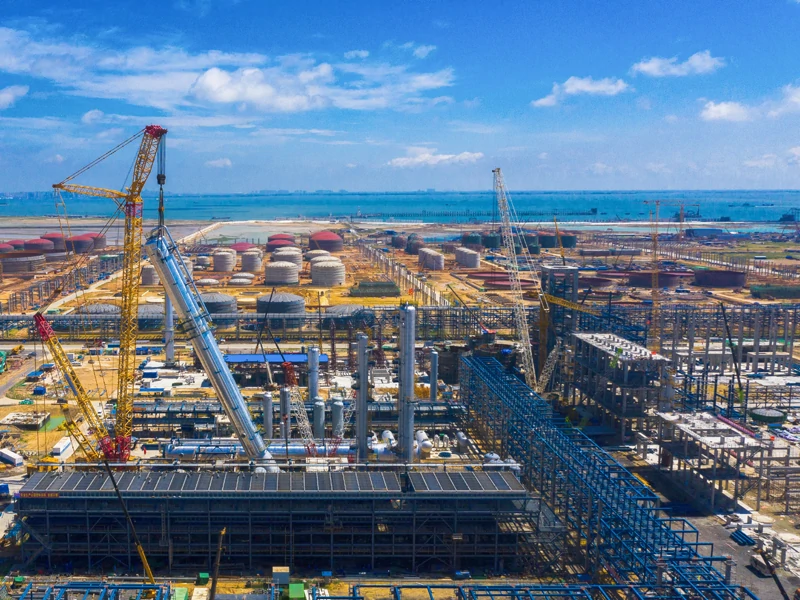
Let me share why this matters—for owners, EPCs, and procurement teams. Many people get burned because they don’t see the big picture. If you know the true scope, you can control cost, avoid delays, and keep project interfaces running smoothly. Let's walk through what makes up the scope, and I'll point out the issues nobody tells you about until it’s too late.
What Does “Steel Structure” Really Include in Petrochemical EPC?
Most outsiders assume steel structure stops at “the build’s skeleton.” Based on our experience, it's a lot more than main frames. Missing the full scope means you’ll spend extra in change orders, site fixes, and maintenance for years.
Steel structure covers everything engineered, bought, fabricated, delivered, and erected that supports plant operation. Main process frames, pipe racks, equipment supports, ladders, stairs, platforms, canopies, shelters, and even access safety steel are all included. Plus, the contract scope may stretch to calculation, shop drawing, welding and NDT, surface treatment, packing and shipping, site erection, and documentation.
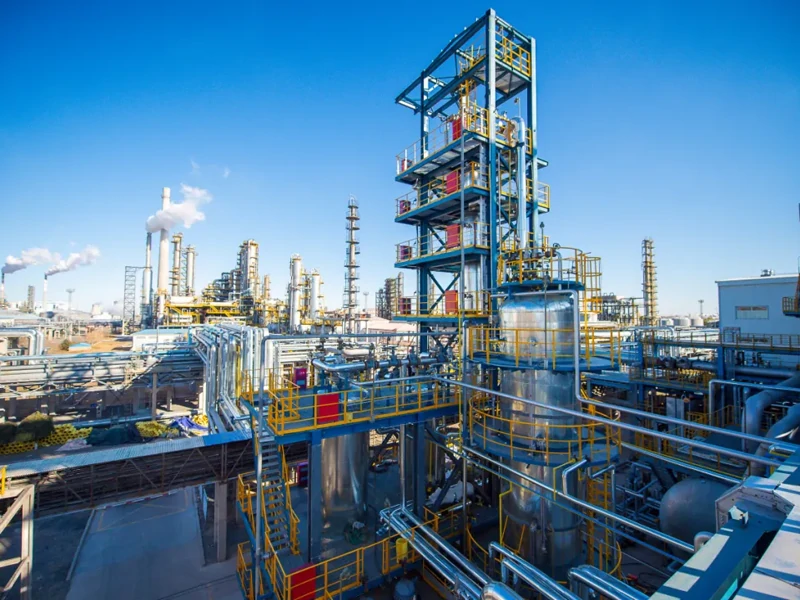
I’ve seen too many buyers confused or caught out by hidden extras—especially small steel or interface items. The best way is to put every item on your scope list:
| Steel Structure Scope Items | Typical Functions |
|---|---|
| Main process unit structures | Support for vessels, exchangers, pumps, piping |
| Pipe racks | Carry process/utility piping, cables, walks |
| Equipment support frames and stools | Hold tanks, compressors, drums, flare, heaters |
| Platforms, ladders, stairs, handrails | Access for operation, maintenance, safe evacuation |
| Building steel (utility, warehouse, control) | Framing with crane beams, mezzanines, MEP interface |
| Misc/support steelwork | Pipe supports, anchor frames, monorails, brackets |
In practice, the steel structure scope becomes a project backbone. If you’re not careful about the scope, site conflicts and late modifications pile up. We make it our job to clarify every point up front—because nobody likes being stuck managing scope gaps late in the game.
Why Pipe Rack Steel Drives So Many Change Orders?
Pipe racks sound simple, but they are a complex steel package. They support process and utility pipes, cable trays, firewater lines, and sometimes walkways. Final rack design hangs on piping stress analysis, which often changes late in the job.
Many steel suppliers want to hurry fabrication using preliminary loads. When those loads get revised, every member and connection may need to be reworked. I’ve seen early fabrication turn into expensive scrap and frustrated teams.
| Key Pipe Rack Risks | Typical Problems |
|---|---|
| Late piping stress changes | Costly rework, timeline slips |
| Weak vendor coordination | Clashes or missing supports |
| Interface confusion (piping vs structural) | Disputes, delays |
We never fabricate pipe rack steel without frozen piping loads. We ask tough questions early: Is this support owned by piping or structure? Are the cable and firewater loads final? Doing this saves months in the schedule and keeps your budget steady.
Dive Deeper: Lessons Learned from Pipe Rack Nightmares
You need a steel partner who can wait, coordinate, and check every detail against piping and cable drawings. The worst scenario is a rack fabricated off preliminary pipe layouts—then redesigned after stress changes. We’ve handled that nightmare, and now we always push for load freeze milestones, and insist on interface meetings before issuing shop drawings.
We encourage buyers in B2B projects to demand revision control from their suppliers. A “lightweight” pipe rack or a fast-fab schedule is not always the best deal. Saving a few tons matters little if you lose months to changes later. The way to win: drag every interface into daylight early, and get the right loads locked before steel is cut.
How Do Equipment Supports and Small Steel Items Cause So Much Trouble?
Equipment supports are a headache if you don’t plan every interface. Most disputes are not about steel tonnage, but mismatches—anchor bolts, thermal movement, maintenance access, lifting zones, and even empty vs operating load definitions.
Platform steel, stairs, ladders, and handrails are called “miscellaneous” but are absolutely vital for operations and safety. They often drive quantity growth and site modifications.
| Small Steel Component | Site Issue | Cost/Operational Impact |
|---|---|---|
| Access platforms | Poor design, operator frustration | Higher site rework, safety risk |
| Stairs/ladders | Missing, wrong, non-code | Long-term frustration, hazards |
| Handrails/toe plates | Incomplete, wrong height | Regulatory trouble, modifications |
| Supports/brackets | Quantity missed, field-fab needed | Budget ballooning, delays |
We always review operator zones, instrument access, maintenance envelopes, and evacuation routes. Secondary steel cannot wait until later design stages. We’ve learned that site mods are 10x more expensive than fixing drawings early.
Dive Deeper: Making Access and Maintenance Steel Work for You
Operations and safety are often controlled by the smallest items. Bad access design frustrates operators and triggers new risks daily. We recommend checking every access point—platform size, walkway clearance, ladder position, and maintenance reach—before the steel is released. The difference between a smart supplier and a cheap one is support for reviewing these details. Your long-term costs depend on getting this right.
We don't leave access steel as an afterthought. We look for operator feedback and maintenance input at design freeze, not just at site handover. Your platform, ladder, and stair design can make or break efficiency and safety.
What Tasks Does a Typical Steel Structure EPC Contract Include?
The steel structure job is more than supply and install. Most EPC contracts include engineering, procurement of raw and finished steel, fabrication (cutting, drilling, welding, painting/galvanizing), shipping, marking, and sometimes site erection.
| Contract Scope | Usually Included | Sometimes Included | Usually Excluded |
|---|---|---|---|
| Main structural steel | ✓ | ||
| Access steel (platforms, stairs, handrails) | ✓ | ||
| Pipe supports and monorails | ✓ | Often piping scope | |
| Anchor bolts, embedded | ✓ | ||
| Site erection | ✓ | ||
| Concrete, equipment, piping | ✓ | ||
| Fireproofing/insulation | ✓ | ✓ | |
| Cable trays, HVAC | ✓ |
We don’t just quote what’s in the drawings. We flag scope gaps, clarify who owns what (especially pipe supports), and make sure interface boundaries are clear. Change order fights are common in contracts with fuzzy scope—the strongest suppliers help you avoid them by managing details before contract award.
Dive Deeper: Why Scope Definitions Are More Than Just Words
You need precise scope boundaries and clear “battery limits.” We learned early that unclear scope can cause endless RFIs, delays, and even disputes. We always walk through every inclusion and exclusion with our clients, matching interface drawings and responsibility matrices. This is how we prevent cost overruns and owner dissatisfaction.
Scope clarity is your strongest weapon. If pipe support steel is split between structural and piping, define it now—not at site. Good suppliers anticipate these issues and fix scope before you sign.
Why Are Codes, Standards, and Documentation So Important?
Petrochemical projects demand compliance with international standards—AISC, ASTM, EN, ISO, AWS, SSPC, and NACE, plus client specs and local safety codes. Real trouble starts with multi-standard coordination.
Steel material may require ASTM, welding to AWS, galvanizing by ISO, coatings by SSPC/NACE, and seismic loads from local codes. A supplier inexperienced with export EPC jobs can miss vital compliance steps.
| Compliance Challenge | Issue | Project Risk |
|---|---|---|
| Mill Test Certificates | Missing or incomplete | Shipping/site rejection |
| Weld/Coating documentation | Not compliant | Inspection failure |
| Bolt certification/trace | No traceability | Regulatory penalty |
| Multi-standard coordination | Standards clash | Delays, re-fab, cost growth |
We chase full traceability, from heat numbers and impact tests to bolt certificates and full documentation for every shipment. The cost of missing one document can be higher than the cost of buying the steel.
Dive Deeper: How Quality Control and Documentation Can Make or Break Your Project
We’ve seen low-price suppliers create big headaches with missing records, wrong standards, or incomplete documentation. For international EPC, a failed shipment or site rejection hurts everyone. We learned the hard way that compliance documentation is not paperwork—it’s your passport to site acceptance.
When evaluating suppliers, look for quality control on records, not just price per ton. Most project risk is hidden in documentation, not material. We recommend you check sample MDRs, weld logs, painting certification, and traceability plans up front.
How Do Experienced EPC Buyers Pick Steel Structure Suppliers?
The smartest buyers look beyond price. They check petrochemical experience, detail engineering skills, revision control, welding and NDT systems, coating quality, export packing, site sequencing, and problem-solving. Suppliers who manage interfaces and support schedule changes are priceless.
| Buyer Evaluation Criteria | What Matters Most |
|---|---|
| Petrochemical project experience | Lessons learned, interface know-how |
| Engineering/detailing capability | Fast revision handling |
| Documentation system | Compliance and traceability |
| Coating/packing/erection support | Quality, delivery speed |
| Problem-solving and site support | Reduces disputes, shortens delays |
We always ask: Who owns pipe support steel? How are load revisions managed? What’s the traceability plan? Is the coating system right for this environment? Can you deliver by erection sequence? How do you quantify small items? What documents are included in the MDR? How do you handle site fit-up challenges?
These questions separate suppliers who know petrochemical steel from those who only quote on price. If you ask these, you end up with fewer surprises, lower lifetime cost, and better project outcomes.
Conclusion
The real scope of steel structure in petrochemical EPC projects covers all structural steel systems for process, piping, access, maintenance, and long-term safety—plus engineering, documentation, and site support. It pays to define scope precisely and pick experienced partners.