The cost of a petrochemical steel structure depends heavily on technical specifications. Without defining factors like welding inspection ratios, coating systems, and material grades, any price estimate will be unreliable and could lead to disputes during project execution. As steel fabricators, we see firsthand how vague RFQs complicate quoting accuracy — here's how you can avoid these pitfalls.
The cost of a petrochemical steel structure cannot be determined without precise technical specifications. For accurate quotes, EPC clients must provide welding inspection ratios, coating system details, steel grade, and structural complexity. Missing or vague parameters lead to unreliable estimates and potential cost disputes during execution.
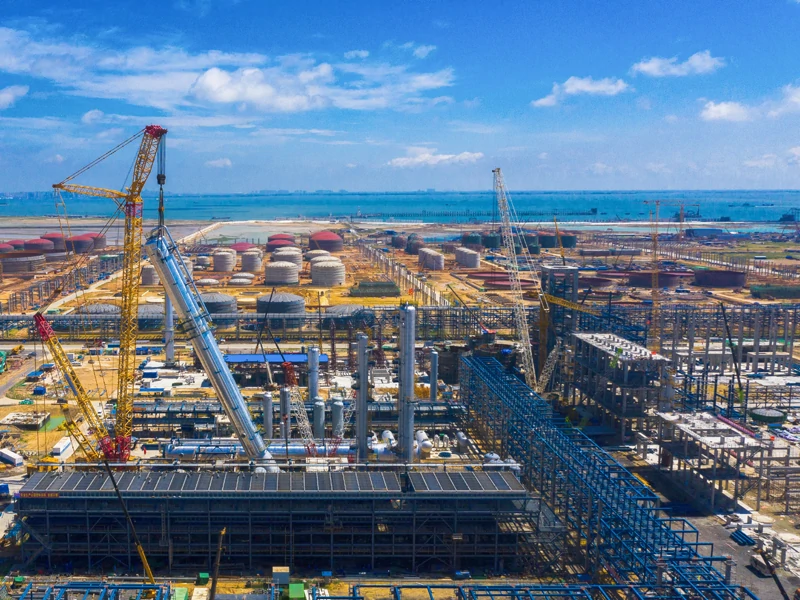
Understanding the major cost drivers and preparing a professional RFQ document is key to reducing procurement risk. Let’s dive into the specifics that EPC managers must consider when requesting quotes — and why ignoring these details leads to wide-ranging problems.
What drives the cost of a petrochemical steel structure?
Petrochemical steel structure costs are driven by four technical factors that clients often overlook — inspection coverage, coating systems, steel grades, and structural complexity. Each plays a critical role in defining manufacturing feasibility and cost.
Key cost drivers include welding inspection coverage (e.g., 100% UT), coating system specifications (e.g., multi-layer anti-corrosion), steel material grade (e.g., high-alloy steels), and structural complexity (e.g., equipment support platforms). Vague or missing details can inflate quotes or trigger mid-project rework.
Breaking Down the Cost Drivers
1. Welding Inspection Coverage:
Welding inspection ratios define how much non-destructive testing (NDT) like ultrasonic testing (UT) or radiographic testing is required. A 50% UT inspection is much cheaper and faster than 100% UT, but stricter projects, like chemical processing plants, often demand the latter. Costs can fluctuate by 15–20% depending on inspection requirements.
2. Coating Systems:
Anti-corrosion coating for petrochemical structures isn’t a simple "paint layer." Coatings are typically multi-layer systems, including epoxy primers and polyurethane finishes, applied after shot blasting to international surface preparation standards (e.g., SA2.5). Premium systems can increase overall costs by 15–25%.
3. Steel Material Grade:
Steel grades like Q345B and Q420 are standard in industrial settings, but petrochemical projects often specify high-alloy materials like S460N or stainless grades, which are 30–50% costlier. Chemical composition limits (e.g., sulfur and phosphorus thresholds) further impact pricing.
4. Structural Complexity:
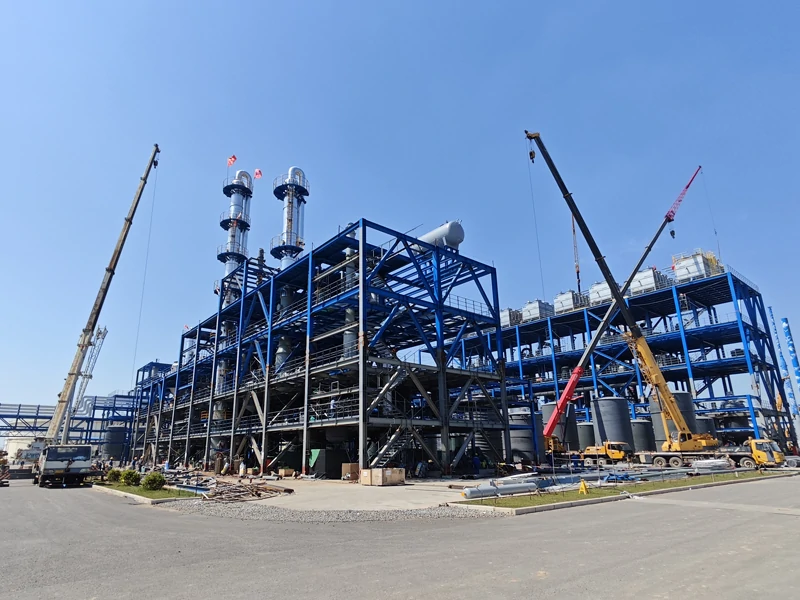
Equipment support platforms with intricate welding and bracing designs cost significantly more per ton than simple beams or standard trusses. Non-standard components often require custom fabrication, specialized machinery setups, and longer lead times.
Case Example:
A Southeast Asian EPC sent us a 4000-ton RFQ specifying only "anti-corrosive paint." After contract signing, their QC team demanded shot blasting to SA2.5 and a 3-layer epoxy-polyurethane system. Fabrication schedules extended by three weeks, and coating costs rose by 18%.
Why do EPC managers expect fixed prices without specifications?
EPC managers often approach steel structure fabricators expecting fixed per-ton pricing, even without detailed requirements. This expectation stems from their experience with building construction markets, where structural steel costs have relatively narrow price ranges.
Unlike building construction steel (~$800-1200/ton), industrial steel for petrochemical projects depends entirely on project-specific technical requirements. Costs can double or triple based on inspection ratios, coating systems, and material grades.
Industry Context:
In building construction, steel fabricators deal with standardized specs, like welded H-beams or box sections, with limited customization. Petrochemical projects demand far greater precision — weld quality impacts safety, coatings mitigate harsh chemical exposure, and material compositions must withstand extreme environments. Attaching fixed prices without specs adds significant risk.
Why Risk Premiums Appear
Missing parameters force fabricators to include risk premiums in their quotations. Without knowing whether UT coverage is 50% or 100%, manufacturers must assume the stricter requirement. Similarly, vague coating descriptions ("anti-corrosive paint") lead to pricing for the highest specification.
What causes hidden cost conflicts during petrochemical projects?
Hidden cost conflicts arise when critical technical parameters are omitted from RFQs and emerge later during contract execution. These disputes typically revolve around welding and coating specifications.
Two common cost conflicts include: (1) vague RFQs missing 100% UT inspection requirements that extend schedules during review, and (2) coating descriptions like “anti-corrosive paint” that become SA2.5 + multi-layer systems during QC inspection.
Welding Inspection Disputes
EPC clients often skip specifying exact NDT ratios during inquiry. Fabricators quote based on assumed 50% UT, only for QA managers later to demand 100% coverage. Manufacturing timelines stretch due to additional weld testing, causing delays and cost overruns.
Coating Specification Ambiguity
Similarly, coating miscommunications create friction. RFQs mentioning "anti-corrosive paint" without detailed requirements force clients to debate over cost adjustments mid-project. Fabricators often must redo coatings to align with downstream expectations, adding expense and lost time.
Avoiding Conflicts:
Ensuring upfront clarity in RFQs prevents these disputes. Professional EPC clients specify welding procedure details (e.g., AWS D1.1 compliance), UT coverage maps, steel chemistry limits, and dry film thickness (DFT) coating specs.
How can EPC managers ensure accurate steel structure quotes?
Accurate steel structure quotes depend on professionally prepared RFQ documents. Clients can prevent cost disputes by detailing technical parameters fabricators need to calculate pricing correctly.
Professional RFQs include welding inspection ratios, coating system dry film thickness specs, steel alloy standards, and structural drawings. Vague or missing specs lead to inaccurate quotes and costly project adjustments later.
Pre-RFQ Checklist for EPC Managers
Use this checklist to avoid procurement risks:
- Weld Inspection Coverage: Specify NDT ratios clearly — e.g., 100% UT for critical welds.
- Coating Specifications: Provide thickness, type (e.g., epoxy primer + polyurethane), and surface prep standard (e.g., SA2.5).
- Steel Material Grade: Define grades, chemical limits (e.g., sulfur < 0.03% for toughness), and mechanical properties.
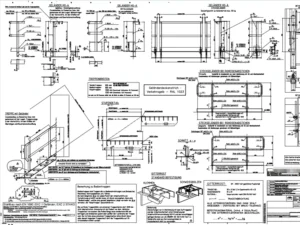
- Structural Drawings: Attach detailed CAD files showing equipment support platforms, braces, and weld areas.
- Delivery Timeline: Confirm fabrication schedule expectations to avoid lead-time conflicts.
Direct Use Example:
An RFQ for a 3000-ton processing unit structure should specify:
- Weld Coverage: 100% UT
- Coating System: SA2.5 shot blasting, primer: epoxy zinc-rich, DFT ≥ 75μm; finish: polyurethane, DFT ≥ 50μm
- Steel Grade: S355J2, sulfur ≤ 0.03%, yield ≥ 355 MPa
- Component Drawings: CAD files for non-standard columns/trusses
Frequently Asked Questions
Why do coating specs affect cost so much?
Multi-layer coating systems, especially epoxy and polyurethane combinations applied after SA2.5 shot blasting, require advanced equipment, skilled labor, and long cure times. These factors add complexity, which increases overall costs.
Can I calculate "cost per ton" without detailed specs?
No. “Cost per ton” is impossible to standardize for petrochemical projects because welding, coating, material grade, and structural complexity vary heavily across applications.
Does steel grade matter even if specs match Q345B?
Absolutely. Higher-grade steels like S460N or stainless types can cost 30–50% more, even when most structural specs align. Material selection drives the core procurement budget.
Conclusion
The cost of a petrochemical steel structure depends entirely on technical specifications provided in RFQs. Without defining weld inspection coverage, coating systems, steel grades, and structural complexity, EPC clients risk inaccurate quotes and mid-project disputes. At MEICHEN Steel Structures, we emphasize thorough RFQ preparation to ensure fabrication reliability.