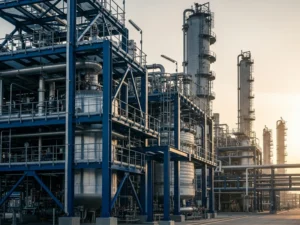
Every petrochemical plant struggles with the need to move fluids, gases, and cables safely and efficiently. If you overlook steel pipe rack structures, you expose your operation to unwanted downtime, safety risks, and expensive upgrades.
Steel pipe racks organize process and utility lines, resist harsh environments, and protect plant investments. The key to lasting performance is smart design, precise fabrication, and attention to details—these aren’t just technical steps, they’re tried-and-true lessons we learned designing and building pipe racks for real plants.
If you’re like most project managers I work with, you know that pipe racks affect your schedule, crew safety, and future upgrades. Let’s break down exactly how to choose the right racks and avoid the traps that catch even the biggest EPC companies off guard. Stick with me—I’ll share the practical tips we use every day to keep our clients ahead.
Why Are Steel Pipe Racks the Preferred Choice in Petrochemical Projects?
Steel pipe racks are chosen because they can handle high load demands, withstand seismic forces, and allow flexibility for expansion. Compared to other materials, steel offers the best value for the challenges you face in petrochemical projects.
Steel racks carry multiple heavy pipelines, utility services, and cable trays overhead. They don’t crack or warp like concrete, and they withstand the rough chemicals that would corrode aluminum in months. Design choices are always about balancing today’s needs with tomorrow’s growth.
In my experience, planning for expansion is the smartest investment. We always recommend clients add extra space or allow for bolt-on upgrades, even if there’s no immediate need. Retrofitting later is tough and expensive.
Here’s a quick comparison of material choices for pipe racks:
| Feature | Steel Pipe Racks | Concrete Racks | Aluminum Racks |
|---|---|---|---|
| Load Capacity | Up to 100+ tons | Moderate (limits) | Lower |
| Expansion Possibility | Modular/bolt-on panels | Not easy | Limited/fragile |
| Corrosion Resistance | Great with coatings | Good | Poor |
| Cost-Effectiveness | Best for long-term use | Higher upfront | Lower for small |
We learned that clients who invest in steel pipe racks often recover costs faster because routine maintenance is easier and racks last decades. When properly designed, steel racks survive earthquakes and storms with minimal damage, saving millions in unplanned repairs.
What Should You Consider When Designing Pipe Rack Structures?
Successful pipe rack designs deal with heavy loads, earthquakes, corrosion, and crew accessibility. Getting these details right means racks stay safe and save you money over the plant’s lifetime.
Pipe rack design starts by calculating every possible load—pipes, fluids, insulation, cable trays, and even hanging equipment. Overdesign means wasted money and underdesign risks accidents. We double check every calculation and build in a margin for unexpected stresses.
Choosing modular, bolted connections is a game-changer. Welded joints are strong but inflexible; bolted joints make future expansion and maintenance much easier. We also specify advanced coating systems—galvanizing or high-tech paint—to prevent corrosion. Manual painting can hide defects, so we push for automated surface prep to make sure the protection lasts.
Accessibility often gets ignored. We make sure racks allow for maintenance crews to move freely. If you can’t reach pipes or cable trays easily, it slows repairs and increases risks. It’s simple: design for the people who keep your plant running.
Here’s a summary of our key design checks:
| Design Factor | Operation Impact | What We Recommend |
|---|---|---|
| Load Calculation | Supports all pipelines | Include margin, avoid waste |
| Modular Connections | Speed and flexibility | Prefer bolted details |
| Corrosion Protection | Longevity, safety | Automated surface coating |
| Accessibility | Maintenance speed, safety | Wide spacing, easy access |
| Seismic/Wind Bracing | Plant resilience | Proper bracing, anchoring |
We learned the hard way: neglecting drainage at the rack base can trap water, causing silent corrosion. So we always add drainage details and check for hidden water pockets, especially in outdoor plants.
How Do Fabrication and Installation Decisions Influence Pipe Rack Quality?
Good fabrication means racks arrive precisely made, ready to assemble, preventing on-site headaches. Smart installation planning eliminates delays, misalignments, and costly mistakes. We treat these as non-negotiable priorities.
Quality starts in the shop. We demand ISO-certified fabrication so everything fits perfectly. Each batch of steel should come with mill certificates—proving the material is up to standard. Traceability matters; it lets us track any issues to the source.
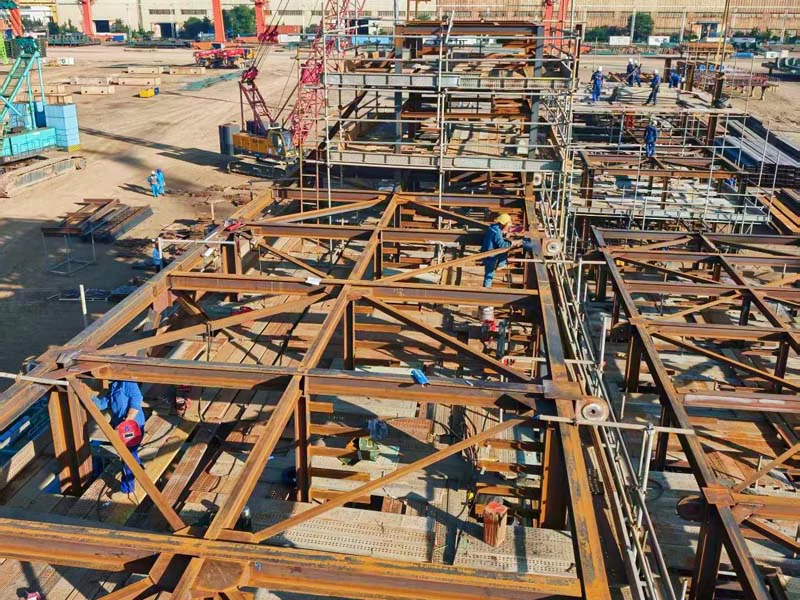
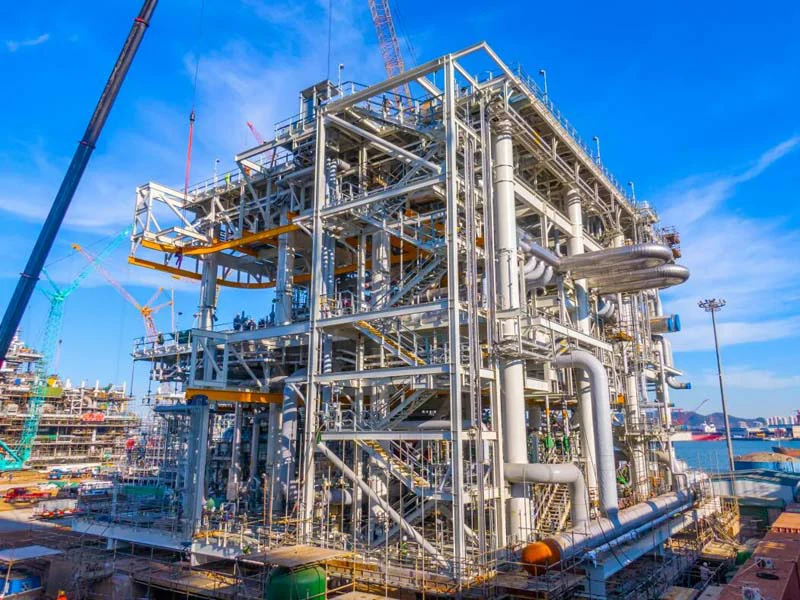
Prefabrication saves weeks on site. We build rack modules in sections, transport them, and assemble quickly. This cuts down on weather delays and reduces the risk of alignment errors—nothing is worse than pipes that don’t fit, forcing a complete teardown and rebuild.
Quality assurance is the last line of defense. We use ultrasonic and radiographic testing for welds, make surface checks for coating integrity, and inspect every module before shipment. Communication is critical; some failures stem from poor coordination among design, procurement, and fabrication teams. We insist on integrated project management, keeping everyone in the loop from day one.
Here’s how we track success:
| Fabrication Step | Risks if Ignored | What We Demand |
|---|---|---|
| ISO Certification | Fit problems, safety faults | Certified shops only |
| Material Traceability | Unfixable errors, failures | Full steel certificates |
| Prefab Modules | Delays, misalignment | Build in controlled shop |
| QA Testing | Hidden defects, accidents | Ultrasonic, radiographic |
| Drainage Details | Silent corrosion, downtime | Specify drainage/seals |
On-site, we learned that even small misalignments at column bases could force expensive scraping of finished pipes. Double measuring and using template jigs saves us days of rework.
How Can You Maximize Return on Investment When Buying Steel Pipe Racks?
Maximizing ROI goes beyond price. Early coordination, standardized modules, and a focus on lifecycle costs result in racks that save money and create operational value over decades.
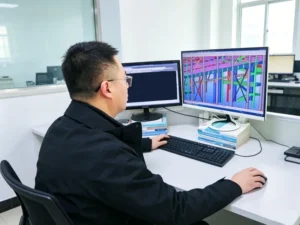
We involve steel structure experts from day one. Using BIM modeling for integrated design, we spot clashes before construction begins, often saving clients up to 15% in costs. Standard rack modules speed up fabrication and guarantee future upgrades are simple.
Long-term thinking pays off. We track maintenance expenses and calculate total lifecycle costs, not just the upfront price. In practice, clients who focus only on the lowest bid often face double or triple costs later—unexpected repairs, downtime, and expensive modifications.
Holistic design wins. We coordinate engineering, fabrication, installation, and maintenance as a package, rather than piecing together the cheapest options. Our best-performing racks come from clients who trust the process and invest in quality at every stage.
Here’s how our approach stacks up:
| ROI Factor | Immediate Advantage | Long-Term Payoff | Our Tip |
|---|---|---|---|
| Early Coordination | Fewer delays, faster start | Less rework, lower costs | Start with experts at concept |
| Standardization | Speed, simplicity | Easy upgrades, spares | Use proven rack modules |
| Lifecycle Analysis | Lower initial risk | Higher profits over time | Count maintenance, not just price |
| Holistic Project Mgmt | Smooth transitions | Stronger, safer racks | Integrate engineering + build |
One client saved six weeks by using BIM to redesign racks and coordinate cable tray layouts—this kind of smart planning is well within reach with the right team.
What Are Practical Applications of Steel Pipe Racks in Petrochemical Plants?
Steel pipe racks carry process fluids, support utilities, and host cable trays, helping plants run smoothly and safely. Their flexibility lets plants expand and adapt with minimal disruption.
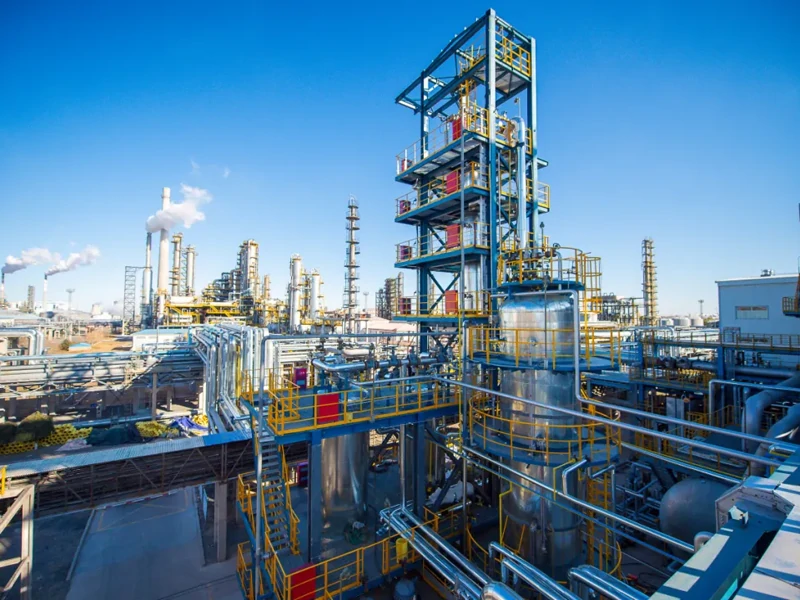
Racks transport fluids from reactors, distillation columns, and heat exchangers. They carry water, steam, compressed air, and nitrogen across the plant. Integrating cable trays with pipe racks saves space, making electrical and instrument tray installation cheaper and safer.
We’ve seen that integrated racks streamline schedules by allowing multi-discipline crews to work together, speeding up construction. Well-planned racks make future maintenance simple, protecting your investment for years.
Here’s a breakdown of common uses:
| Application | What It Does | How It Helps |
|---|---|---|
| Main Process Pipeways | Carry fluids between production units | Boost efficiency, reliability |
| Utility Piping | Distribute steam, water, compressed air | Keep plant services running |
| Cable Trays | Hold electrical/instrument cables | Save space, cut install costs |
| Integrated Supports | Combine pipes and cables | Simplify layout, upgrades |
The smartest operations use racks as planning tools, building redundancy and room for modification so plant expansions fit seamlessly.
Conclusion
Steel pipe rack structures provide a foundation for safety, efficiency, and reliable growth. Investing in expert design, quality fabrication, and practical planning delivers value that goes far beyond initial costs.