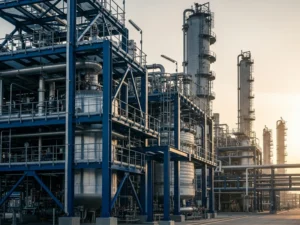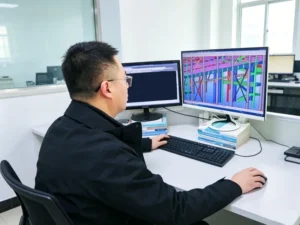
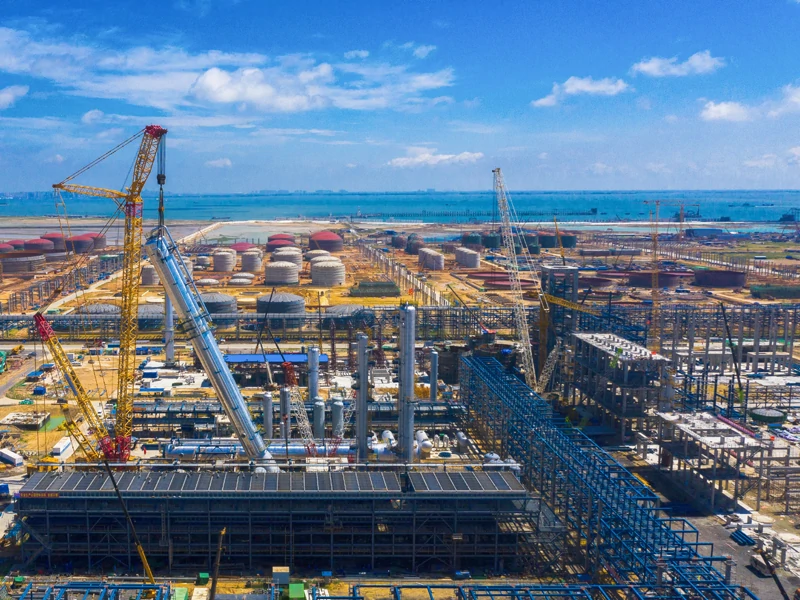
When I walk through a plant site, I see steel everywhere—towering columns, compressor pads, long runs for heat exchangers. Yet, many leaders don’t realize that getting these supports right means the difference between steady production and costly shutdowns. Issues can start small—a vibration here, a corroded footing there—and snowball fast.
Steel structures are the backbone for heavy equipment in petrochemical plants. When we focus on proper design, smart integration, and precise fabrication, we give these supports the strength and protection they need to keep production running smoothly, year after year.
In my years working with plant owners and engineering teams, I learned that understanding the challenges and digging below the surface matters most. The steel itself is only part of the story—success comes from asking the right questions, reviewing together early, and investing in solutions that last.
How Do We Handle Design Integration and Dynamic Loads for Heavy Equipment?
Every time we bolt a compressor or reactor to a steel frame, we need to plan for more than just its weight. Equipment vibrates, swells with heat, and sometimes moves in ways we don’t expect.
When we integrate steel supports with equipment, we make sure the structure can absorb vibrations, handle thermal expansion, and stay safe during wind or seismic events. Our best results come from bringing structural engineers, equipment vendors, and plant contractors into one early review before the design is locked.
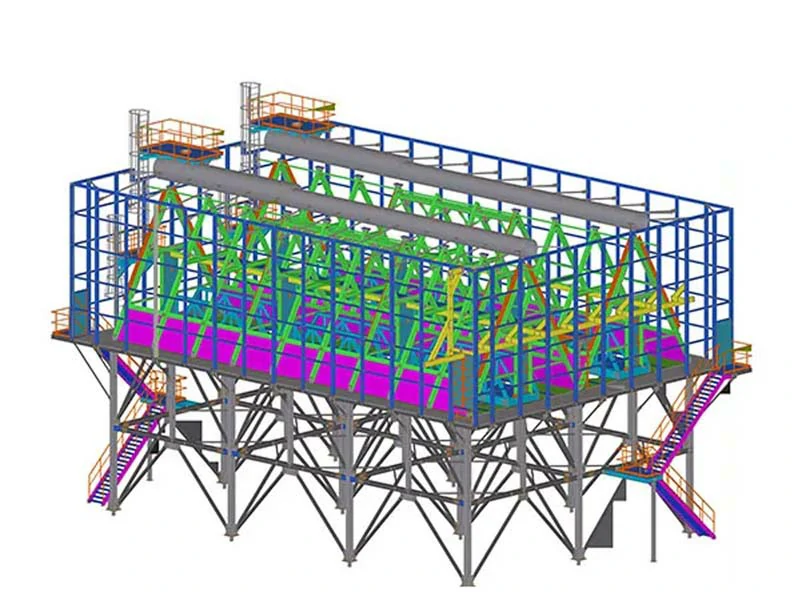
Not long ago, I helped upgrade an old compressor pad. The original supports handled static weight well, but lacked vibration dampers and expansion joints. With a new compressor running hotter, unnoticed vibrations began loosening anchor bolts, triggering alarms. Together with our partners, we ran a 3D clash-detection review and mapped all dynamic forces. We added flexible supports and specified expansion joints where temperatures peaked. This prevented downtime and saved extensive rework.
Here’s how we break down load types and solutions:
| Load Type | Typical Challenge | How We Solve It |
|---|---|---|
| Static | Dead weight, uneven loads | Use accurate engineering, calculate safety margins |
| Dynamic | Vibration, movement | Add vibration dampers, flexible supports |
| Thermal Expansion | Temperature swings | Install expansion joints, select thermal steels |
| Wind & Seismic | External forces | Provide robust bracing, seismic anchors |
| Retrofit Integration | Old vs. new standards | 3D modeling, joint reviews, field adjustability |
Each time we do this, we prevent hidden headaches. When we involve all partners early, we see more ways to keep the plant safe and efficient.
How Does Material Selection and Surface Treatment Affect Long-Term Reliability?
When we walk under a distillation column, corrosion is often hiding at the anchor bolts or base plates—places most overlook, but where failure begins. Standard steels work well in many zones, but in tough conditions we need more.
Using enhanced materials like weathering steel, stainless, or carefully coated galvanized sections keeps corrosion and maintenance under control. We also invest in high-performance coatings in hot spots and below-ground, because that’s where most problems start.
I recall one refinery where standard steel grades were used throughout. Within three years, corrosion ate away at the support bases. Emergency repairs shut down the plant for days, causing millions in losses. Another client agreed to up-front investment in weathering steel and epoxy coatings. Seven years later, their shutdowns for steel maintenance dropped from annual to once every five years.
Here’s how we choose materials and protect them:
| Material | Typical Use | Why We Recommend It |
|---|---|---|
| Standard Steel | Mild environments | Cost-effective, basic durability |
| Weathering Steel | Outdoor, corrosive areas | Rust layer protects, long lifespan |
| Stainless Steel | High temp/corrosion | High strength, resists harsh chemicals |
| Galvanized Steel | Anchor points, base plates | Stops underground moisture |
| Advanced Coating | Critical load zones | Extends maintenance cycles, stronger defense |
When we specify these materials and coatings early, our clients avoid recurring maintenance headaches. It’s not about spending more—it’s about spending smart where it matters.
Why Does Modularization Make Installation Faster and Safer?
Anyone who’s seen stick-built assembly onsite knows the stress. Rain delays, last-minute rework, and unpredictable safety risks. Modular prefabrication changes the game.
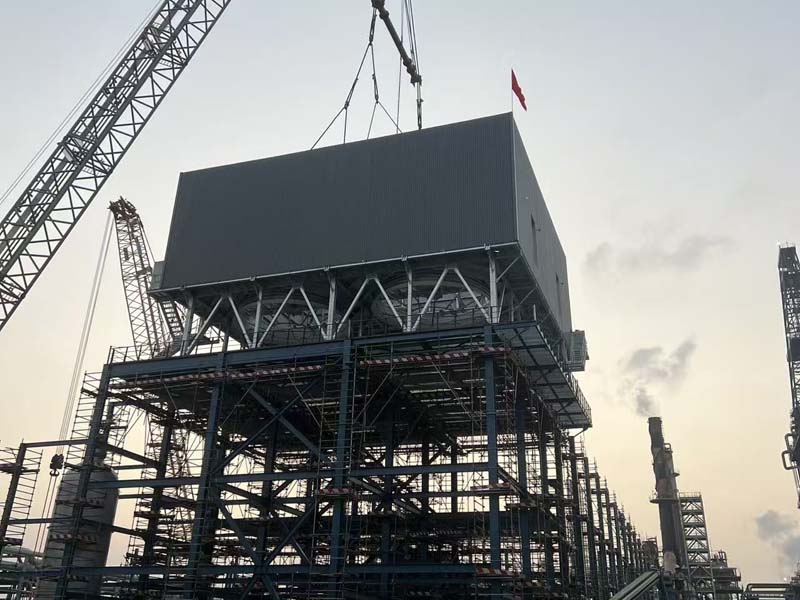
Modular steel packages—pre-fabricated offsite and pre-assembled with cable trays, piping, and walkways—cut installation time by 40%. Factory testing ensures parts fit together perfectly, and onsite work becomes more predictable, with fewer surprises.
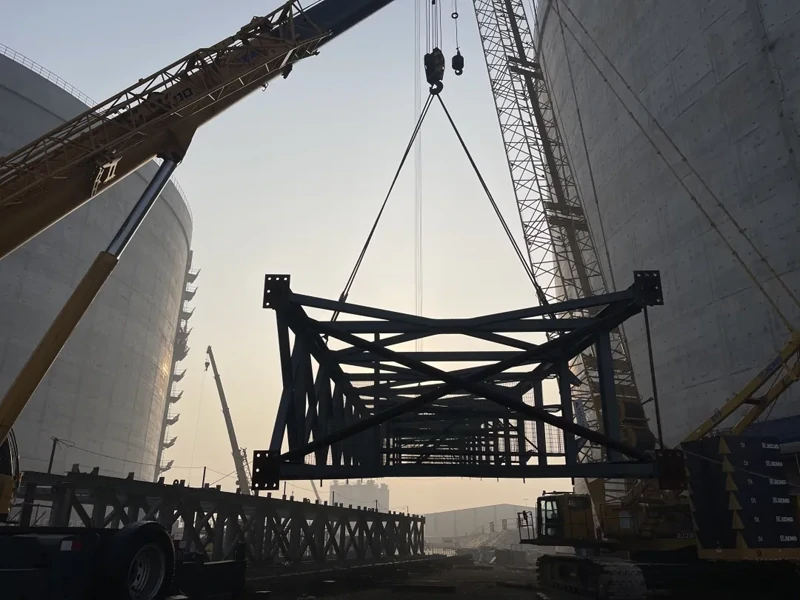
One project stands out to me: A plant expansion where the client chose modular support skids. With each skid built in our shop, including walkways and attached pipe racks, arrival on site meant easy crane placement. Instead of weeks of welders working outdoors, we finished in days. I saw fewer accidents, tighter schedules, and less stress for everyone.
Here’s the difference between onsite and modularized assembly:
| Method | Pros | Cons |
|---|---|---|
| Stick-Built | Customizable, flexible | Slow, prone to delays, safety risks |
| Modular | Fast, factory-tested, quality | Less flexibility for odd site conditions |
When we push for modularization, our teams work safer and clients see more value. This method saves money and boosts quality by simplifying onsite installs.
What New Trends Are Changing How We Support Heavy Equipment?
Digital modeling and sustainable steel are becoming part of every major plant project. We see clients asking for virtual models that show real-time data—a digital twin of every support structure.
Using BIM-based models means we can predict maintenance needs and catch stress points before they fail. Choosing lower-carbon and recycled steel also helps clients meet ESG targets and build greener reputations.
Recently, we helped integrate BIM and sensor data into a client’s structure package. They can now view real-time stresses from their control room, and schedule maintenance when data warns of fatigue. The move to greener steel paid off as well—international clients appreciated documented CO2 reductions, which helped their global compliance.
Here’s how these trends benefit our clients:
| Trend | What We Do | Why It Matters |
|---|---|---|
| Digital Twin | Monitor performance live | Avoid failures, predict issues |
| Predictive Maintenance | Use sensors, analyze trends | Reduce shutdowns, save money |
| Sustainable Steel | Use certified, green steel | Higher compliance, better public image |
When we bring these tools and materials into projects, we give clients reliable structures that support their goals—never just bare metal frames.
Conclusion
From design integration to material selection, modular assembly, and digital innovation, we help turn steel structures into reliable assets for heavy equipment in petrochemical plants. Thoughtful planning, early reviews, and smart investments make all the difference.