Selecting a steel structure supplier can feel overwhelming and risky. Get it wrong, and your EPC project can spiral out of control—delays, change orders, safety risks. I’ve been there.
To choose a reliable steel structure supplier for your EPC project, look beyond presentations and certificates. Investigate technical know-how, check for real quality systems, demand transparency on timing and costs, and make sure the supplier is committed to after-sales support. Insist on practical examples, not just promises.
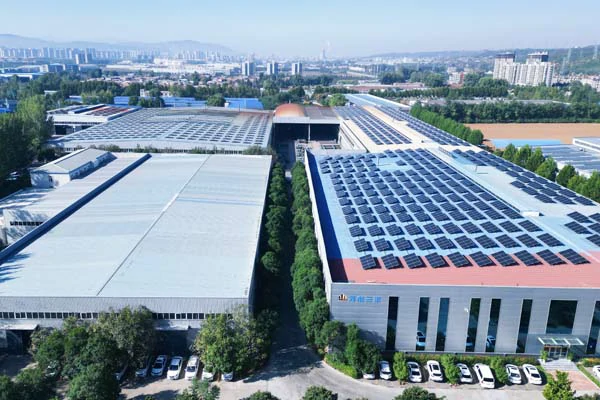
I can’t forget the time our team trusted a “recommended” supplier just because their references looked good on paper. The result was hidden errors during fabrication, and we only discovered them on site, leading to costly rework. Since then, we have learned how to dig deeper, ask sharper questions, and look for invisible red flags. These are the lessons we now live by—and I want you to avoid similar mistakes.
How do we evaluate a supplier's technical expertise and capacity?
A flashy website and a wall of certificates don’t guarantee depth. Real EPC work demands a supplier who’s faced (and solved) challenging design, interface, and capacity issues—especially for complex, high-stake projects.
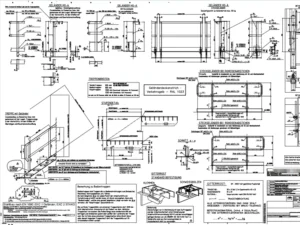
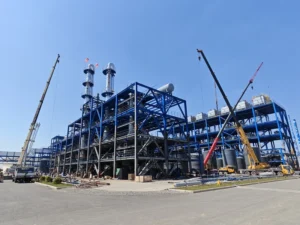
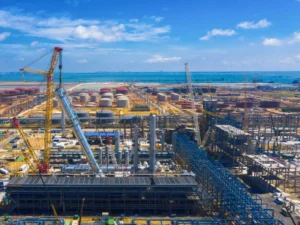
We always ask for examples of similar projects—completed in the last three years—to see not only what was built, but how problems were solved. We invite their engineers to walk us through design optimization cases—not just talk about reducing steel weight, but show the math and the thinking. We ask if they have in-house engineers who grasp international codes (AISC, Eurocode, etc.). We want to see evidence of deep, hands-on project experience.
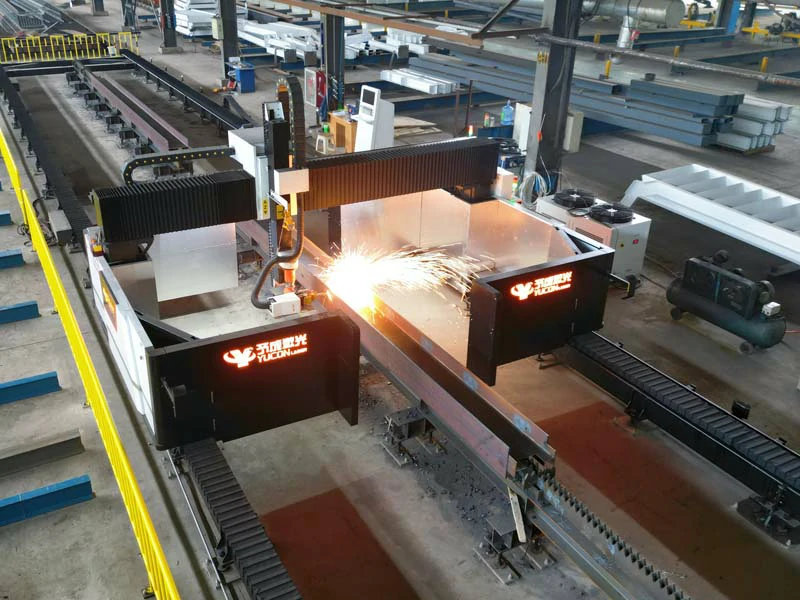
I've been in meetings where engineers claim to save 10% on steel tonnage, yet when pressed, they couldn’t explain their logic. Now, we sit together with their technical teams and go through actual drawings and design comparisons. We ask questions like: “Show me a project where you coordinated with an EPC’s own engineers to resolve a connection detail.” That’s when you find partners who want to make your project better—not just earn an order.
| Tech Capacity Check | What We Look For | What Worries Us |
|---|---|---|
| Similar Project Cases | Project photos, challenges, team names | Only small jobs, or vague stories |
| Design Optimization | Calculations, material saving, real drawings | Hand-waving, no math |
| In-house Engineering Team | Team intro, code certificates | Outsourced, or “project-based” |
| Automation/ERP Integration | Factory software, workflow explanations | Manual, paper-based processes |
How do we verify quality control systems are more than paperwork?
No EPC chief wants to hear the words, “This batch didn’t pass inspection.” On big sites, one bolt size error can lock up a job for weeks. We’ve learned that quality is visible, physical, and traceable.
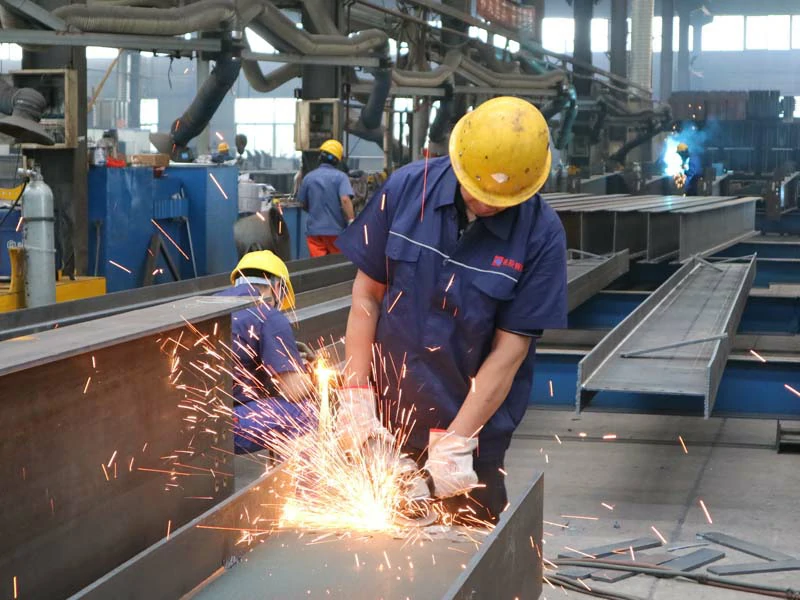
We go beyond “please share your ISO certificate.” Instead, we ask for live material traceability logs—can they show us how steel plates from the yard are tracked to the final welds? We insist on sample inspection reports, and we always ask if we can visit the factory floor on very short notice. Good suppliers take pride in clean, organized workshops, well-marked zones, and clear safety practices. We strongly prefer suppliers who welcome third-party audits—even after the contract is signed.
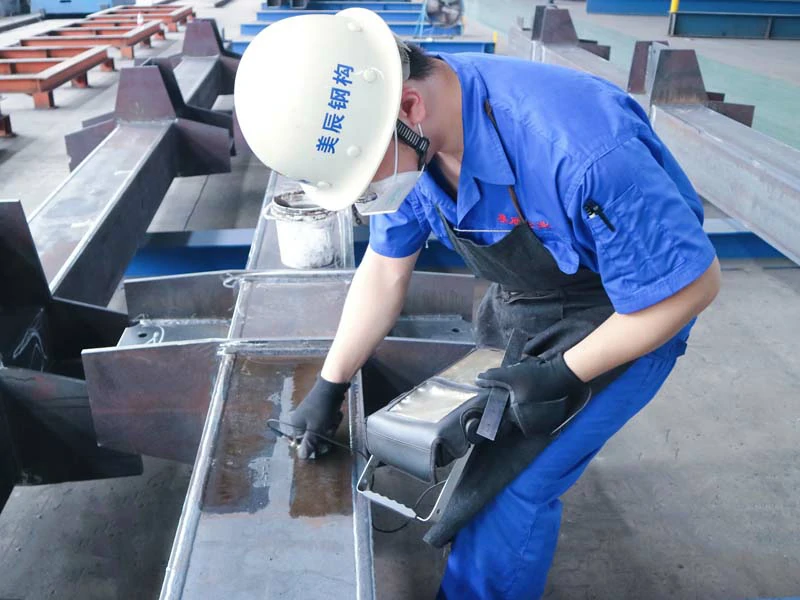
A real-life example: on one unannounced visit, we found a supplier had skipped required NDT testing on late-night shifts to catch up on delays. We then instituted a rule: we select partners by what we see on the shop floor, not just in PowerPoint slides. We also ask whether they use digital inspection software or if their logs are still on paper (digital systems catch more errors in our experience).
| Quality Control Area | Minimum Standard | What Makes Us Nervous |
|---|---|---|
| Material Traceability | Digital system demo, sample log | Paper-based or “on request” |
| Inspection Reporting | NDT, ultrasonic, 3rd party logs | Only internal, only if asked |
| Audit Willingness | Welcome, show scheduling process | Refuse, “we are busy” |
| Shop Floor Practices | Clean, safe, sorted, color codes | Dirty, poor labeling, unsafe |
What do we demand for delivery timelines and project management?
On site, the clock is always ticking. Just one delayed steel shipment can hold up a hundred workers. I’ve spent hours on tense calls trying to track “promised” shipments that existed only on paper.
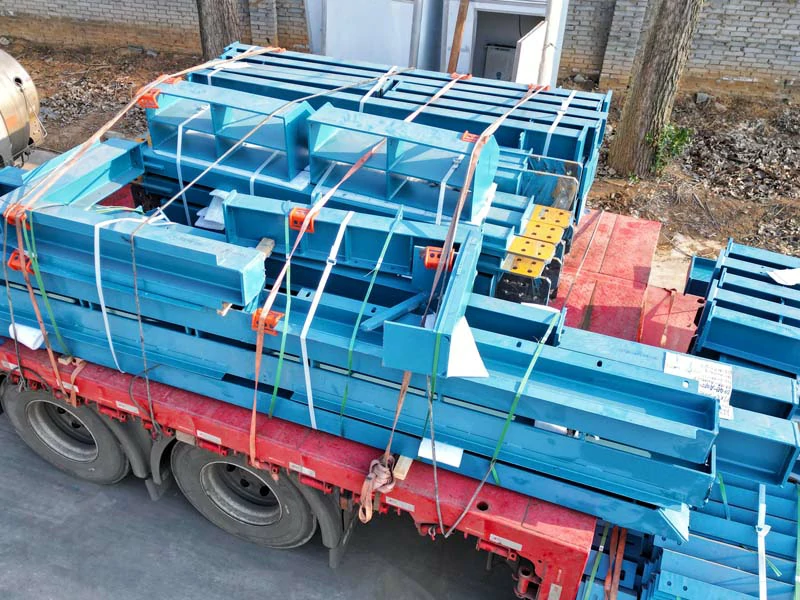
To protect ourselves, we request records of full project delivery schedules, for jobs similar in size and urgency to ours. Not just one “on-time” certificate, but a breakdown of seasonal lead times, and an explanation of how the supplier coordinates steel delivery with non-steel interfaces (foundations, roofs, even piping tie-ins). We also insist that they show us both “on-time” delivery and penalty records—and we check if they have special project managers for EPC jobs, not just a sales rep who disappears after contract signing.
One trick we use: we ask the supplier for references only from clients where something went wrong. Did the supplier adapt schedules, expedite rework, or just go silent? The best companies show us their production dashboards and can explain how they handle both peak (busy) and off-season orders. I’m much more comfortable when a supplier shares a failed project, and then spells out what they did to recover.
| Project Management Aspect | What We Require | What’s a Red Flag |
|---|---|---|
| Past Deliveries | List by date, client, size, delay | Only best cases cherry-picked |
| Production Tracking | Digital schedules, client portal | Manual updates, email only |
| On-time Penalty Handling | Transparent report, adaptation | “We’re never late” claim |
| Coordination Meetings | Regular, multi-discipline | Only after problems appear |
How do we ensure pricing is truly transparent and costs stay predictable?
I’ve had bids in hand that looked like a bargain, only to find dozens of “extras” once the project started. No EPC project has time or budget to fight about what was “included.”
We now insist every quotation comes with a fully itemized BOQ, a detailed drawing list, and explicit scope on secondary components (even anchor bolts and roof purlins). We ask suppliers for real change order logs from finished projects—how many times did the price go up, and for what reasons? We probe their process for cost tracking, and we compare offers side-by-side, looking for “loophole” line items (e.g., no anti-corrosion, or “by client” for minor materials).
Our team discusses every project with buyers who’ve been “change ordered” by suppliers. We quiz suppliers, “Can you explain how your pricing model adapts if site conditions change?” The key is to identify those who want a true win-win—those who safeguard your budget, not milk it with surprises later.
| Cost Control Checklist | Expect This Detail | Be Cautious of |
|---|---|---|
| Complete BOQ, Scope | Line-item and accessories listed | “To be confirmed” items |
| Change Order Transparency | Frequency, total value, reasons | Won’t share actual logs |
| All-Inclusive Pricing | Erection, painting, bolts clear | “Excluded” sections, vague |
| Payment Terms | Staged, based on milestones | Front-loaded, little clarity |
Why is after-sales and technical support crucial?
Problems can (and do) happen. We’ve had steel columns go missing, a weld fail during installation, or drawings that didn’t match the anchor bolts. The real test of a supplier is how they respond when things go wrong.
We insist on detailed, written warranty terms, with a named technical support team—not just an “info” email. We don’t just ask for glowing references; we call clients who faced real issues and find out what happened. Did the supplier send engineers to the site, or just argue about the contract? The best suppliers treat issues as opportunities to show partnership—they log problems, track solutions, and share lessons learned.
From personal experience, I remember a supplier who responded to a broken weld with a 24-hour site visit, repair team dispatch, and a full root cause report. That’s the kind of partner who helps EPC projects finish strong. We always check if documentation comes with onsite or remote re-training, and that technical support is part of the deal—not an afterthought.
| After-Sales Factor | What We Want | What Warns Us |
|---|---|---|
| Warranty Specificity | Written, project-unique terms | Standard, “out-of-box” only |
| Rapid Problem Response | Team bio, timeline, escalation | Contact center, “as possible” |
| Lessons Learned | Case sharing, improvements | No records, “never had problems” |
| Technical Training | Included, project-based | Pay extra, only “if needed” |
Conclusion
A great EPC steel structure supplier is more than a vendor—they’re a partner who stands beside you to tackle complexity, delays, and all the surprises. By going beyond the surface and learning what to ask, you can avoid expensive mistakes and finish strong.