Integrating Modular Design for Faster Project Delivery in Petrochemical Facilities?
Petrochemical project delays still squeeze profits and stress project teams. We have faced these problems, and we know that taking control is the only way to deliver projects fast and reliably.
Modular design lets us shift most of the work offsite into factories, where we can control quality and timing much better than open field construction. This means fewer surprises and dependable delivery—something every project manager seeks.
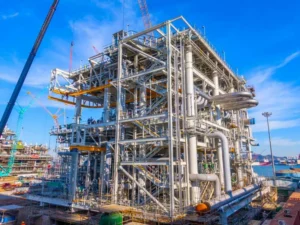
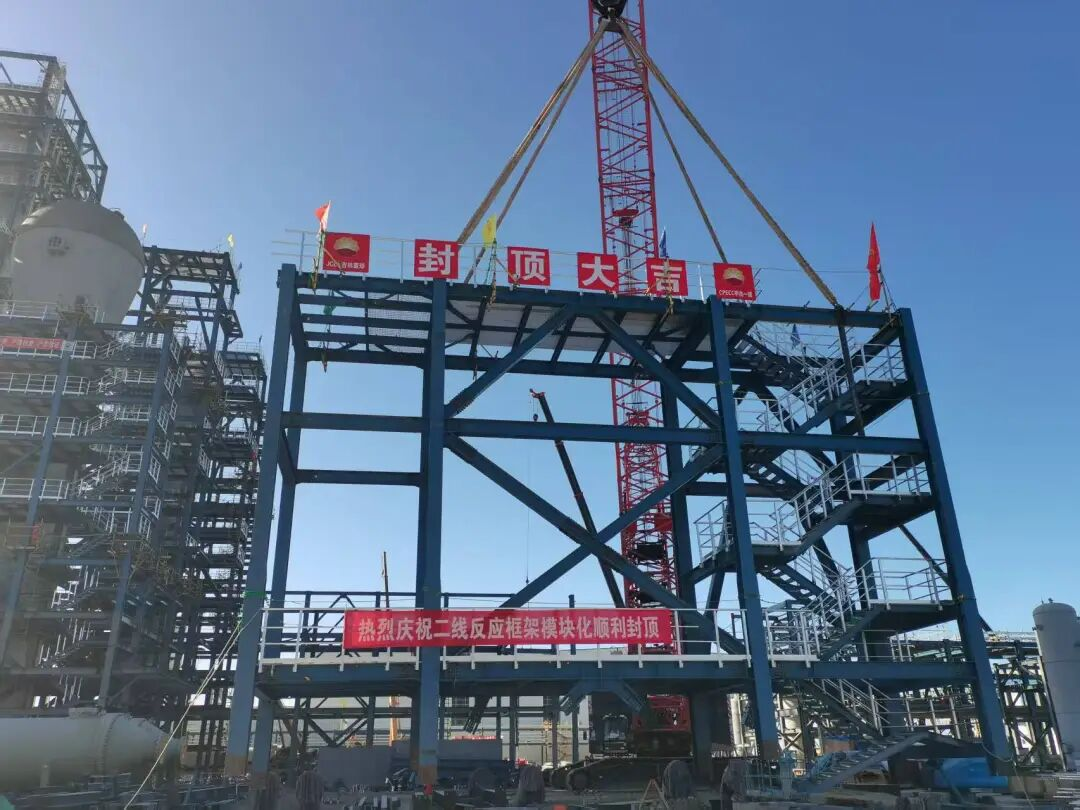
Early in my career, we struggled with site uncertainties—weather, missing materials, labor shortages. I learned firsthand how these factors can wreck a schedule and drain budgets. When we switched to modular design, the difference was clear. We managed everything in the shop, set deadlines, and met them. It gave our clients confidence, and we slept easier knowing exactly what was happening. This change was not just about building faster. It was about taking charge of the project’s direction and keeping risks manageable from start to finish.
Is Modular Design Mainly About Risk Control?
Most people ask if modular construction is only about speed. What we see is that its real strength is risk control—minimizing surprises, managing quality, and keeping schedules tight.
On one project, a delayed shipment and heavy rain held up our site work for weeks. But the modules were all done in our factory—dry, secure, and on schedule. By the time the rain cleared, we had everything ready to assemble. That experience proved to us and our clients that the biggest benefit is how we can keep the timeline and quality on track. It is about reducing the unknowns, avoiding costly changes and rework. We make fewer mistakes when we work in a stable factory, and our quality control team can spot and fix issues faster. That’s the real advantage modular design gives us.
| Factor | Traditional Approach | Modular Approach |
|---|---|---|
| Schedule certainty | Low | High |
| Quality assurance | Variable | Consistent |
| Site risk exposure | High | Reduced |
| Change order risk | Significant | Minimal |
Why Are the “Three Early” Principles So Important For Modular Success?
We have learned that modular works best when we start early with design, procurement, and integration. If we wait, we run into problems that cost more and waste time.
Once, we set our module sizes before talking to the equipment team. By the time the equipment specs arrived, the modules did not fit. We had to cut and plant weld on site—frustrating and expensive. Since then, we always bring everyone together at the start: design, procurement, construction, and equipment teams. This “three early” principle—early design, early procurement, early integration—keeps everyone aligned. We now form specialized teams, including process engineers and steel structure designers, to plan everything from module layout to access points, lifting paths, and delivery schedules. It prevents rework, cuts costs, and ensures the modules and equipment match perfectly.
| “Three Early” Principle | What We Do | Benefit |
|---|---|---|
| Early Design | Start steel and equipment layout together | Less conflict, fewer changes |
| Early Procurement | Plan material orders before full design finishes | Avoid shortages, faster build |
| Early Integration | Dedicated team coordinates every detail early | Smooth assembly, no surprises |
What Are B2B Clients Really Looking For With Modular Projects?
Our clients focus on predictable handover, ROI, and easier operation—not the modularity itself. They care most about downstream impacts like investment returns and maintenance.
When we talk with clients, speed is nice, but controllable outcomes matter most. They want to avoid late changes, costly rework, and unpredictable startup costs. In modular projects, 70%-80% of work happens offsite. That means fewer changes and less downtime during installation. It also makes operation and maintenance easier later, thanks to standardized connections and digital records. We highlight how modular helps lock in delivery dates, cut operational headaches, and boost ROI. Clients have told us that fewer headaches during handover and smoother maintenance are often the reasons they choose modular solutions.
| Area | Traditional Build | Modular Build |
|---|---|---|
| Handover reliability | Unpredictable | Reliable |
| Change order issues | Common | Rare |
| Maintenance | Often costly | Lower cost, easier |
| ROI | At risk | Predictable |
How Do We Stand Out as Steel Module Fabricators for EPC Projects?
We win trust not just by building modules, but by offering digital tracking, BIM, and ongoing support. These extras make our service valuable for clients.
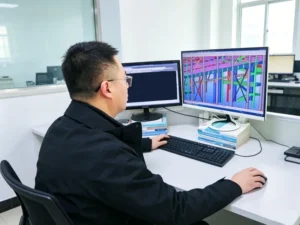
Not long ago, one client wanted instant progress updates and real-time delay alerts. By building a digital dashboard tied to our shop’s production, we gave them full transparency. They never had to guess where their project stood. We also link BIM data from design to the field, so every module fits the plant’s lifecycle management. After handover, we provide annual module inspections, remote monitoring, and onsite tech support. These additions create ongoing value and trust. Offering lifecycle support and digital integration transforms us from a supplier to a dependable partner. More clients now expect these extras—it has become a key differentiator.
| Capability | Typical Vendor | Our Approach |
|---|---|---|
| Module supply | Yes | Yes |
| BIM & digital progress tracking | Optional | Standard |
| Lifecycle support (maintenance) | Rare | Routine, annual |
| Transparency and delay alerts | Limited | Real-time, digital |
How Does Modularization Improve Safety and Environmental Performance?
Moving work offsite makes projects safer and cleaner. We cut site risks and meet tougher environmental standards more easily.
In a recent project, traditional stick-built work led to multiple near misses and environmental complaints. By moving 90% of fabrication to our shop, we reduced accidents, kept emissions low, and made regulatory reporting easier. Factory conditions are controlled—we monitor hazards, enforce safety, and minimize waste. We present safety and compliance data to clients, showing how modular construction lowers incident rates and environmental impact. It puts our clients at ease and often helps them win approval from regulators, boosting their project scores.
| Aspect | Traditional Approach | Modular Approach |
|---|---|---|
| Site safety incidents | Frequent | Rare |
| Environmental emissions | High, hard to track | Lower, easier to manage |
| Regulatory compliance | Challenging | Streamlined |
Conclusion
Modular design brings more than speed—it gives us control, lowers risks, cuts operational costs, ensures safer sites, and offers reliable delivery for every project. We use these principles every day and share them to help others succeed.