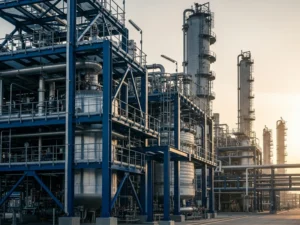
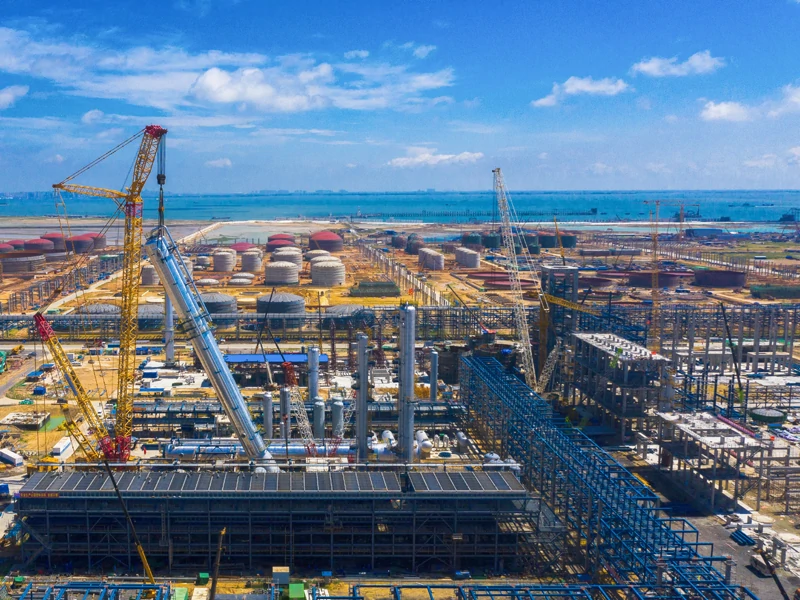
Some people think steel structures are just background details. I know better. When I first started in steel fabrication, I thought all that mattered was following design drawings. Years later, I learned that a quiet steel support can quietly carry the fate of an entire plant. If the structure vibrates, twists, or rusts, the equipment it supports can leak, shift, or stop working altogether. The stakes are higher than most realize.
Steel supports for heavy equipment in petrochemical plants aren’t glamorous, but they’re essential. They hold up heaters, reactors, towers, compressors, pumps, exchangers, air coolers, and pipe racks. If these structures aren’t designed and fabricated right, you’ll face vibration problems, misalignment, leaks, shutdowns, or even catastrophic failures. Over my twenty years, I’ve seen “hidden pitfalls”—the things you don’t find in manuals—that make or break a project.
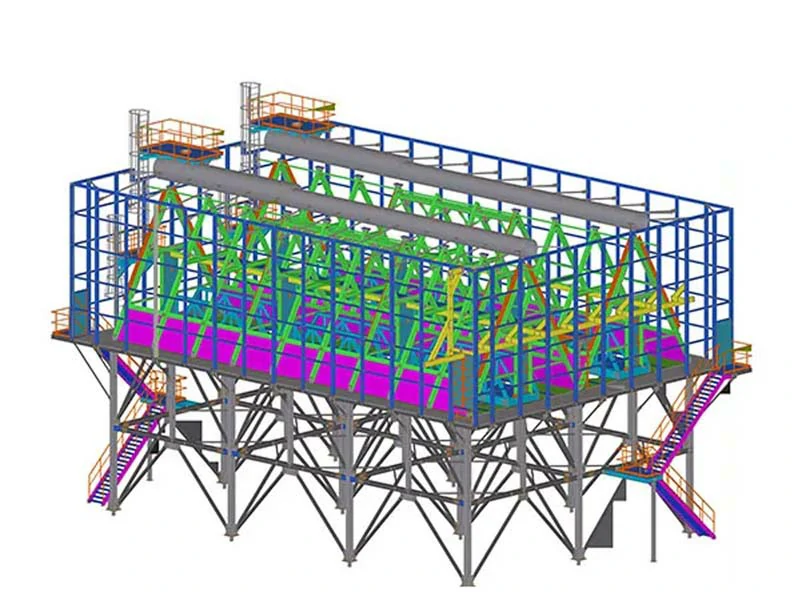
When I talk to project managers and procurement leads, I always tell them that engineering drawings are only part of the story. Field reality demands that we learn from mistakes and successes on real jobs. Let me share the practical experience that gets skipped in textbooks.
What do successful support designs actually look like in practice?
It’s not enough for a structure to hold equipment. It needs to keep holding it steadily, safely, and allow for easy maintenance—even ten or twenty years down the line. This means looking beyond just basic strength checks.
For example, compressors and pumps are incredibly sensitive to vibration. If their supports aren’t stiff enough, equipment can shake, coupling alignment goes off, and bearings wear out in months instead of years. With tall towers and reactors, you must think about their high center of gravity and thermal movement. Heaters and air coolers face strong winds and temperature swings. Even pipe racks carry weight all day and must survive earthquakes.
Here’s how I factor in equipment needs:
| Equipment Type | Real Support Needs |
|---|---|
| Compressor/Pump | High stiffness, vibration control |
| Tower/Reactor | Stability, supports thermal expansion |
| Heaters/Air Coolers | Handles wind, heat, fatigue |
| Pipe Racks | Long-term load, quake resistance |
Too often, I’ve seen engineers “copy typical support details.” That’s risky. Good clients now insist structural design teams attend equipment selection and pipe stress meetings. Otherwise, you end up spending more on late-stage changes. Don’t just trust the drawings—dive into equipment specs and real operating conditions.
Do codes and standards really keep you safe, or is there more to it?
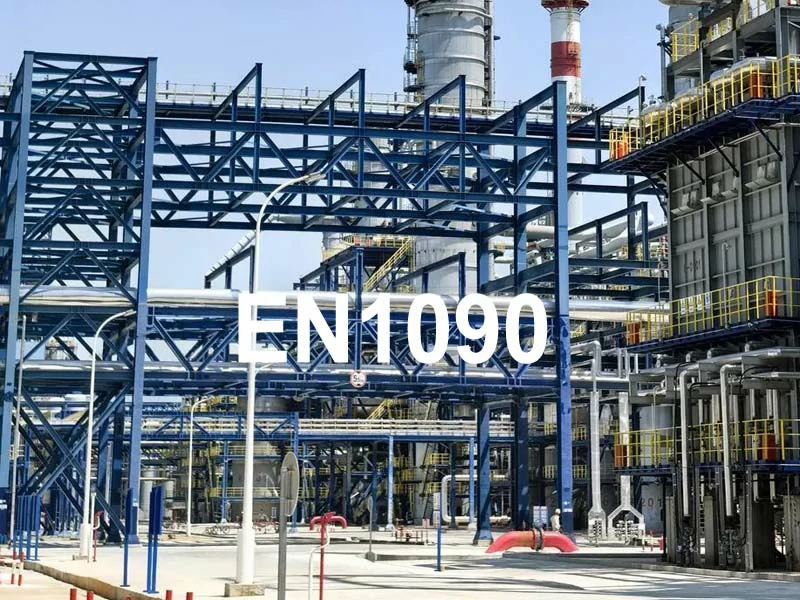
On paper, standards like EN, AISC, GB cover load calculations and basic safety. Yet in petrochemical projects, owners often bring stricter requirements. I learned this early: company-specific standards can demand tougher fire protection, corrosion prevention, stronger platforms, better guardrails, and heavier maintenance loads.
Ignoring these extra standards is costly. I remember bidding on a refinery job for an international oil major. We quoted based on national codes, only to find midway that their internal fireproofing standards were much stricter. Redesign, rework, and lost profit followed.
Here’s a comparison:
| Standard | Focus | Hidden Requirements |
|---|---|---|
| National Code | Minimum load and safety | Basic platform specs |
| Owner Standards | Fire/corrosion, maintenance | Higher, project-specific |
Always, always ask clients for their full list of standards before quoting or starting design. This saves headaches and money.
Why is considering complex loads—not just weight—so vital?
Many failures happen because engineers only count static loads—equipment weight, platform weight, wind, seismic. But in reality, loads change constantly. There are maintenance loads, temporary lifting, abnormal conditions, even accidental impacts.
For example, I once saw a compressor skid’s support shake violently during a temporary lift operation. The original calculations ignored the “side loading” from the lift, and during maintenance, the plant had to shut down. It wasn’t a calculation error—it was a scenario no one considered.
Key loads to include:
| Load Type | Examples |
|---|---|
| Permanent | Equipment, insulation, pipe, platforms |
| Variable | Maintenance, lift operations, snow |
| Dynamic | Vibration, pipe pulse, start/shutdown |
| Environmental | Wind, quake, temperature changes |
The lesson: Ask “what happens during maintenance, lifts, failures?” Don’t just check off routine scenarios—imagine the weird ones. That’s where most accidents start.
Why does vibration control matter more than just strength?
It’s easy to focus on structural strength, but vibration is a silent enemy—especially for rotating machines. I’ve seen sites struggle, having to add diagonal braces and reinforcements after startup because no one checked the supports’ natural frequencies. These “patches” make maintenance harder and look rough—owners lose faith in their engineering teams.
Vibration control isn’t about adding steel. It’s about matching support frequencies to avoid resonance with equipment. Modal and harmonic analyses should be standard for high-speed compressors and fans. This avoids expensive fixes and protects the equipment.
| Equipment | Must Avoid Resonance With |
|---|---|
| Compressor | Main shaft, multiple harmonics |
| Fan/Pump | Operating speed, subharmonics |
| Tall Vessel/Tower | Wind, base movement |
It’s much easier to get the analysis right from the start than to retrofit after trouble begins. This is one step I’ve learned to insist on early.
Is welded steel the only way, or are there smarter options?
Most people picture “steel beams welded together.” But there are plenty of choices, and picking the right form eases installation, reduces risk, and helps future upgrades.
Supports can be:
- Steel beams on concrete foundations (the classic)
- All-steel portal frames
- Integrated bases for compressors or air coolers
- Mixed formats (concrete columns + steel beams, especially in seismic or high temperature zones)
Choosing form depends on load size, center of gravity, soil condition, temperature, and installation schedule. Whenever possible, I recommend all-steel supports for easy upgrades. For tricky sites, adjustable pads and seats make life easier.
When comparing options, don’t just chase the lowest “per ton steel price.” Ask for weight-optimized lists and see how different forms affect total price, transport, and assembly.
How do you pick sections and components without overspending?
There’s always tension between cost and performance. Rolled sections (like H-beams) suit light platforms—easy to fabricate and standardize. But for heavy loads, welded box columns and custom shapes handle “big and odd” needs. I’ve seen savings missed when buyers only compare unit steel prices. Welding thicker plates costs more per ton, but can reduce total weight and simplify lifting.
I always check component lists with clients before purchase. Sometimes, an “over-conservative” designer puts thick plates everywhere, driving up total cost and making crane lifts much harder.
| Section Type | Best Use | Advantages |
|---|---|---|
| Rolled H-Beams | Light-medium platforms | Cheap, easy fabrication |
| Welded Box Columns | Heavy/tall supports | Design flexibility, strong |
Keep an eye on both steel quantity and ease of onsite handling.
What makes for reliable, easy-to-install connections and joints?
In my experience, joints can cause headaches if they’re too rigid, hard to align, or block future upgrades. For equipment supports likely to face changes, bolted joints are gold. They allow inspection, upgrades, and easy alignment.
If you know a support will need adjustments, plan pads or shims from the outset. Avoid full welding where paint, fireproofing, or corrosion protection will be tough to apply.
| Joint Type | For What Situation | Pros / Cons |
|---|---|---|
| Bolted | Upgradable, easy alignment | Flexible, inspectable |
| Welded | Fixed load, clean design | Harder to modify |
On several projects, planning for adjustment and access meant we finished installation days faster. Good joints are a partnership between engineering and onsite crew.
How does corrosion protection catch up to—and sometimes surpass—strength needs?
Corrosion is relentless, especially in petrochemical plants. Even the strongest steel fails if it isn’t protected. I select Q235 and Q345 carbon steels for most applications, but in high-temperature zones near heaters or stacks, I demand special grades rated for long-term heat.
Protection goes well beyond basic primer. I use multi-layer coatings—zinc-rich primer, intermediate, and topcoat. For splash zones, I sometimes clad in stainless. I round sharp edges and polish welds to eliminate weak spots. Most cost overruns I’ve seen come from poorly-specified coatings and low-quality application.
If clients want structures to last 15 years without major repainting, I push for stricter coatings and controls—salt spray tests, adhesion checks, and full quality reports. Supplier certificates aren’t enough; I want third-party evidence.
| Corrosion Protection | Real-world Impact | What I Recommend |
|---|---|---|
| Basic Paint | Short-term, risky | Only for dry, indoor |
| Multi-layer | Long-life, tough environment | Required for outdoors |
| Stainless Cladding | Corrosive/splash zones | Expensive, effective |
Why does fabrication quality dictate onsite success?
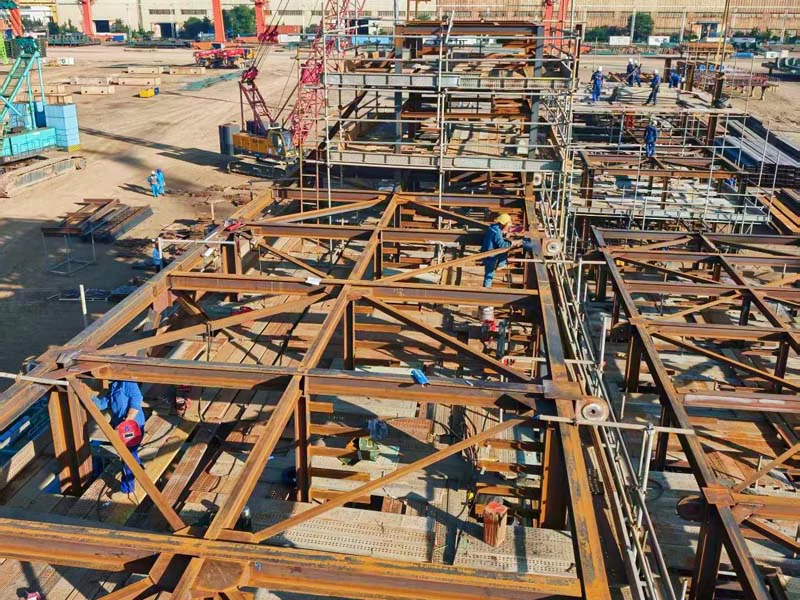
Manufacturing heavy supports demands thick plate cutting, high-grade welding, and distortion control. Many shops can make simple platforms, but struggle with thick, heavy pieces for compressors or reactors. I always audit suppliers for real equipment and past large jobs—not just brochures.
Thick welds need ultrasonic (UT/RT) checks, and welders must be certified. For fatigue-prone parts, I require toe grinding and smooth transitions. Trial assembly in the shop uncovers fit issues before they reach the site.
On a large compressor project, demanding factory trial assemblies cut down installation problems by half. We caught small errors early. With mock-up base plates, we finished alignment fast.
| Factory Quality Aspect | What to Check | Real Benefit |
|---|---|---|
| Plate Processing | Thickness, precision, heat treatment | Avoid onsite errors |
| Welding & NDT | Quality, inspection, certifications | Structure longevity |
| Trial Assembly | Fit, alignment, real-world testing | Reduce surprises |
Why do transport and installation planning change the whole outcome?
I learned to consider transport and installation from day one—not after shop drawings are done. You need to plan for road limits, crane sizes, segment joints, and adjustability upfront.
Supports are sometimes too long or heavy for transport, or need tricky lifting routes. Talking with erection teams early avoids last-minute crises. Suppliers who provide transport and lift plans make my life easier onsite.
Installation quality matters just as much as fabrication precision. For heavy, rotating equipment, supports must be perfectly level, with spacing for shims and bolts. Device alignment and support structure acceptance should be connected—never separate.
On a project where base levels were off, the crew spent days “making pipes fit” instead of installing things right. This caused long-term pipe stress issues—a problem you can avoid with proper adjustment planning.
| Installation Aspect | Why it Matters |
|---|---|
| Transport Limit | Avoid delivery issues |
| Segment Joint | Smooth onsite adjustment |
| Alignment Specs | Equipment lasts longer |
What is special about fireproofing, explosion protection, and maintenance access?
Petrochemical plants have unique risks. Fireproofing starts with choosing the right coating thickness—R60, R90, or R120 depending on hazard. Structures must be separated from equipment with barriers or shields. Practical details matter; coatings must allow weld checks and future maintenance.
I’ve watched some sites fail fireproofing tests, not because the material was bad, but because the application was sloppy. Don’t just fight over coating price—look for full system specs and third-party testing.
Explosion protection means structures can’t block blast pressure. Design walkways and stairs for emergency evacuation. In high-risk areas, tie the support layout directly to process hazards and safety reviews.
Maintenance access is crucial. Supports aren’t just for weight—they’re platforms for routine work. I always ask maintenance teams early: Where do you need walking room, lift points, rail tracks, and fall protection? On some upgrades, making maintenance simple saved hundreds of hours in annual labor.
| Safety Feature | Why It’s Needed | What Helps |
|---|---|---|
| Fireproof Coating | Survive and escape | Quality, thickness |
| Blast Release | Reduce explosion risk | Smart layout |
| Access Platform | Quick maintenance | Proper sizing |
What advice can I give to B2B buyers and owners about finding the right supplier?
Experience counts—for heavy petrochemical supports, pick suppliers who know your standards and have done similar projects. Ask about their in-house design, past fabrications, and inspection systems. Look for those who join design early, help optimize support forms, and support trial assembly and site installation.
The best suppliers don’t just deliver steel—they help solve headaches before they start. They ask real questions about your plant, site, and schedule. They offer practical advice, not just minimum quotes. When you get this right, your project will run smoother and cost less in the long run.
Conclusion
Steel supports for heavy equipment may not look like heroes, but their design and fabrication decide the safety and profitability of the whole plant. Real success relies on deep understanding of equipment, careful planning, quality fabrication, and smart teamwork. If you learn from hard-earned experience, you can build structures that last and support your business for decades.