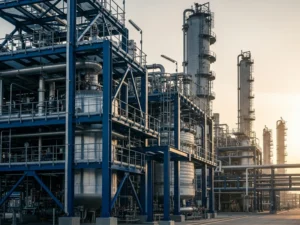
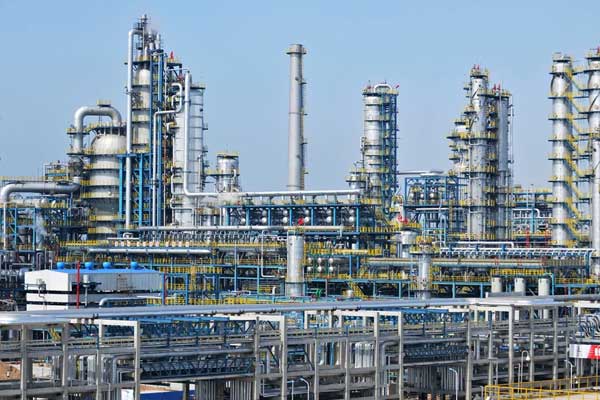
Every petrochemical plant depends on how well its pipe racks perform. When we get the design right, the plant operates safely and efficiently. If we cut corners, everyone pays for it in repairs and headaches down the road.
A pipe rack system is the steel backbone of any petrochemical facility.1 It organizes and supports pipes and cables, keeping process media like chemicals, steam, water, and gas flowing between units.2 Without well-built racks, plants struggle to expand or maintain operations.
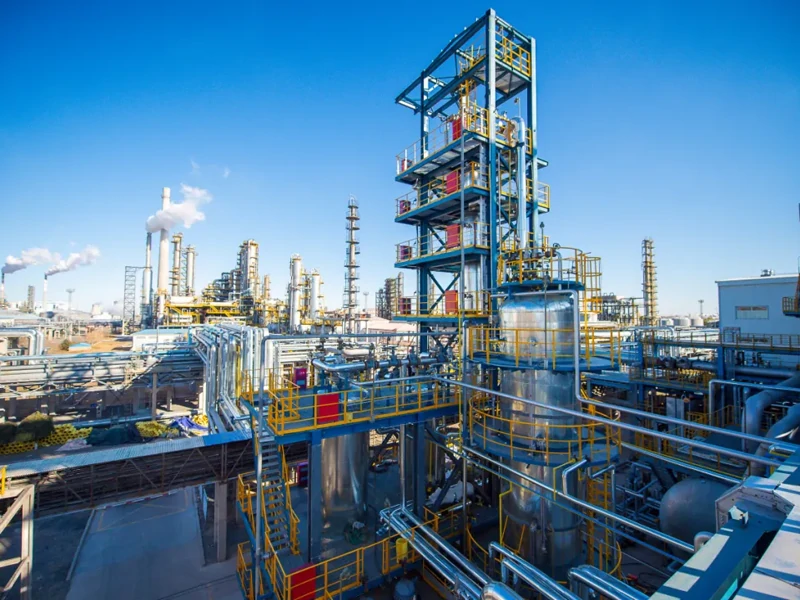
I have seen racks neglected in the early design phase. As a result, crews face bottlenecks, maintenance becomes a nightmare, and unexpected downtimes drain budgets. When we focus on smart pipe rack design up front, we set the foundation for smooth plant operations.
What Functions and Benefits Do Pipe Rack Systems Deliver?
We all know pipe racks must support weight, but their real value runs deeper. They bring structure, safety, flexibility, and future growth to the plant.
Pipe racks hold heavy and long-diameter pipes securely above ground, minimizing risk from floods, vehicle collisions, or spills.3 Racks make it simple for maintenance teams to access piping and reduce headaches during upgrades and repairs.4 With an organized layout, racks help us maximize every foot of space and avoid a tangled mess.
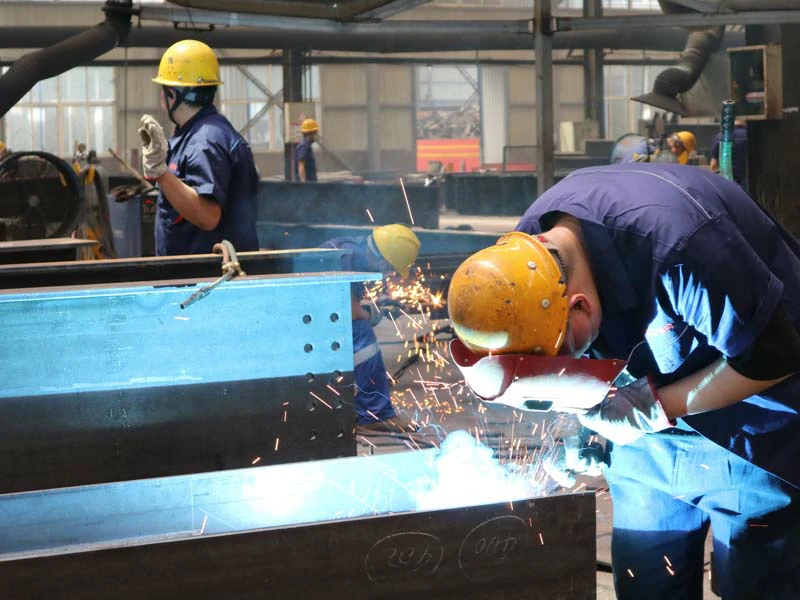
When we build racks with future changes in mind, there is enough room for new pipes and cables.5 This foresight helps when plants expand or adapt their processes. Good racks mean fewer delays, less risk, and safer daily operations.
| Function | How It Helps Daily Operations |
|---|---|
| Structural Support | Keeps pipes stable, prevents sagging and accidental falls |
| Optimized Layout | Arranges pipes for easy access, reduces clutter |
| Safety | Elevates piping, prevents corrosion and exposure to hazards |
| Flexibility | Allows future additions without major retrofits |
| Maintenance Access | Enables crews to inspect and repair pipes quickly |
In my experience, a well-planned rack system saves countless hours for maintenance teams. It also protects piping from damage caused by forklifts, contractors, or flooding. When you make racks modular or leave spare space, upgrades are much simpler.
How Does Smart Design and Engineering Shape Pipe Rack Performance?
Pipe rack projects often go wrong when teams overlook load calculations, accessibility, drainage, or material selection. These small misses add up quickly during installation and daily use.
Engineering a pipe rack begins with understanding the types of loads—pipe weight, filled fluid weight, wind, seismic activity, and pipes expanding from heat.6 We always overestimate future needs and design racks with extra capacity. That way, we avoid costly upgrades later.
Here is what we always check, based on years of field practice:
| Engineering Factor | Why It Matters | Our Recommendation |
|---|---|---|
| Load Calculations | Prevents rack collapse or pipe leaks | Include extra space for future upgrades |
| Accessibility | Speeds up maintenance and inspections | Design walkways and clear working areas |
| Drainage Handling | Protects against water build-up and corrosion | Ensure racks have slope and drainage holes |
| Material Selection | Stops premature rust or damage | Use galvanized or coated steel as needed |
| Pipe Stress Integration | Keeps pipes from overstressing anchors | Plan rack and pipe layout together |
Once, we worked on a plant where the client didn’t account for pipe stress in the rack design. The result? Several pipes failed after installation. We had to stop the project and rework those supports with both piping and civil teams. This added weeks to the schedule and cost the owner in lost production.
Proper drainage extends rack life by decades.7 Without slope or drainage holes, racks become traps for water, which speeds up corrosion.8 Selecting the right steel and protective coatings reduces risk and helps racks last through plant upgrades and harsh weather.9
Bringing all these details together requires teamwork. Civil, piping, and maintenance teams need to talk early—to position anchors and hangers smartly and avoid onsite conflicts.10 It saves everyone from surprises when the plant is running at full steam.
Why Does Vendor Selection Make or Break Pipe Rack Projects?
Choosing fabricators for pipe racks is about more than picking the lowest quote. Quality vendors protect your plant and ensure reliable operation for decades.
We insist on vendors with documented QA/QC, ISO certifications, and thorough material tracking. Our experience shows that skipping these steps usually leads to weld failures, wrong steel grades, and constant repairs.
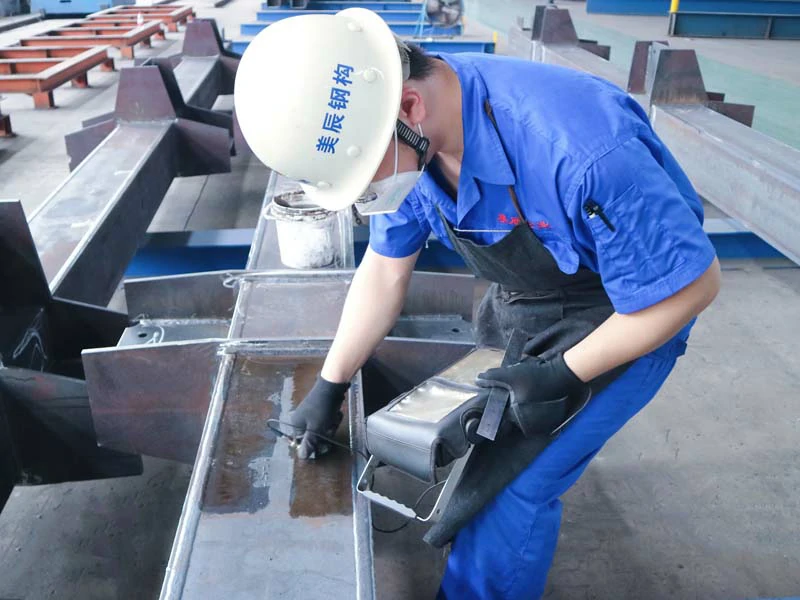
Here’s what we’ve learned works best:
| Vendor Selection Criteria | What We Check | Outcome for the Plant |
|---|---|---|
| Weld Quality | Certified welders, detailed QC reports11 | Strong racks, zero sudden failures |
| Material Traceability | Batch records, steel certificates | No bad batches, consistent results |
| Fabrication Accuracy | Inspection records, precision measurements | Fast installation, perfect fit |
| QA/QC Procedures | ISO-certification, audit history | Reliable, low risk, trusted partners |
Once, a plant owner tried to cut costs by choosing a cheap vendor. Within two years, corrosion and weld cracks appeared. We spent months replacing racks and updating safety procedures. Upfront savings disappeared, and the plant lost production.
When we select vendors, we ask for references and review their shop documents. We visit their facilities and check their testing equipment. These steps protect everyone involved and keep the plant on track.
Why Should B2B Clients Invest in Quality Pipe Racks?
Whenever we speak with procurement managers, we stress that quality racks mean lower downtime, safer operations, and easier plant growth. Cutting corners on racks always leads to bigger expenses later.
Investing in strong racks helps in ways that go beyond basic operations. It means fewer emergency repairs, easier compliance, and a clear path for plant expansion. Cheap racks cause hidden headaches—regular shutdowns, corrosion repairs, and more conflicts between design and operations teams.
Our clients who invest in reliable racks find their plants have fewer shutdowns and easier maintenance. Here is how pipe rack investments can impact the plant’s bottom line:
| Benefit | Long-Term Impact |
|---|---|
| Minimized Downtime | Steady revenue, fewer emergency repairs |
| Enhanced Safety | More predictable compliance, fewer incidents |
| Scalable Growth | Hassle-free upgrades and modifications |
| Reduced Maintenance | Lower operating costs across 20–30 years |
We encourage anyone starting a new project to involve experienced steel structure teams early. This investment avoids the pain of retrofitting and keeps plants growing as business needs change.
Conclusion
Pipe rack systems are the foundation of safety and efficiency in petrochemical plants. With smart design, careful engineering, and the right vendor, these racks deliver decades of reliable service and fuel plant growth.
"Piping - Wikipedia", https://en.wikipedia.org/wiki/Piping. A technical reference or encyclopedia entry on pipe racks can support the characterization of pipe racks as primary structural systems used to carry piping and services in process plants; the source would support the functional role rather than the metaphorical phrase “steel backbone.” Evidence role: definition; source type: encyclopedia. Supports: Pipe racks are central structural systems in petrochemical or process facilities.. Scope note: The source is likely to substantiate the structural function of pipe racks, not the rhetorical wording. ↩
"Pipe rack - Wikipedia", https://en.wikipedia.org/wiki/Pipe_rack. An engineering reference on process-plant layout can support that pipe racks commonly route and support process piping, utilities, and cable trays between plant units; this is contextual support for the listed media rather than proof for every plant configuration. Evidence role: definition; source type: education. Supports: Pipe racks organize and support piping, utilities, and cables between units in process plants.. Scope note: The source may describe typical process-plant practice and may not verify every medium listed for every petrochemical facility. ↩
"Fall protection and pipe racks. | Occupational Safety and Health ...", http://www.osha.gov/laws-regs/standardinterpretations/1993-12-27. A process-plant layout or safety guideline can support that routing piping on elevated racks separates lines from grade-level hazards and traffic; this would be general design rationale, not a quantified risk-reduction estimate. Evidence role: general_support; source type: institution. Supports: Elevated pipe racks can reduce exposure of piping to some ground-level hazards such as flooding, traffic impacts, and spills.. Scope note: The source would likely support the mechanism of separation from ground-level hazards, not measure risk reduction for floods, collisions, or spills in this specific context. ↩
"Each pipe rack is built using multiple frames that form the ...", https://www.facebook.com/WeldFabWorld/posts/%F0%9D%90%82%F0%9D%90%A8%F0%9D%90%A6%F0%9D%90%A9%F0%9D%90%A8%F0%9D%90%A7%F0%9D%90%9E%F0%9D%90%A7%F0%9D%90%AD%F0%9D%90%AC-%F0%9D%90%A8%F0%9D%90%9F-%F0%9D%90%9A-%F0%9D%90%8F%F0%9D%90%A2%F0%9D%90%A9%F0%9D%90%9E-%F0%9D%90%91%F0%9D%90%9A%F0%9D%90%9C%F0%9D%90%A4visit-weldfabworldcomwhether-in-refineries-power-plants/1313196927487606/. A plant-layout or maintainability reference can support that pipe rack arrangements are designed with access for inspection, maintenance, and modification; the source would support maintainability principles rather than the informal phrase “reduce headaches.” Evidence role: general_support; source type: institution. Supports: Pipe rack layout can improve maintenance access and facilitate repairs or upgrades.. Scope note: The evidence is expected to describe access and maintainability benefits, not quantify ease or difficulty for a specific plant. ↩
"Pipe Rack Design Essentials for Piping Engineers - LinkedIn", https://www.linkedin.com/posts/mdansary_pipingengineering-mechanicalengineering-activity-7370173121510850560--eeo. Engineering guidance on pipe-rack planning can support the practice of reserving space or capacity for future lines and cable trays; the source would support the design principle, not guarantee that any particular rack will have sufficient future space. Evidence role: expert_consensus; source type: institution. Supports: Pipe racks are often designed with spare space or capacity to accommodate future piping and cable additions.. Scope note: The support would be prescriptive or customary guidance, not direct evidence of outcomes for the article’s projects. ↩
"[PDF] STABILITY ANALYSIS OF PIPE RACKS FOR INDUSTRIAL ...", https://digital.auraria.edu/files/pdf?fileid=a8bbcb10-7852-4554-b3ac-0a5d7c824b34. Structural and piping design guidance can support that pipe racks must be checked for dead, operating, environmental, seismic, and thermal expansion effects; the source would identify relevant load categories rather than validate a complete project-specific load case. Evidence role: mechanism; source type: institution. Supports: Pipe rack engineering must account for pipe and fluid weight, wind, seismic forces, and thermal expansion effects.. Scope note: The source would establish typical load considerations, while actual design loads depend on local codes, plant service, and project specifications. ↩
"[PDF] Revised BDM Section 6.7 Corrosion of Steel Foundations ... - wsdot", https://wsdot.wa.gov/sites/default/files/2021-11/01-2020.pdf. A corrosion-engineering or structural-maintenance source can support that avoiding trapped water and providing drainage reduces corrosion risk in steel structures; it may not directly substantiate the specific “decades” service-life claim. Evidence role: mechanism; source type: research. Supports: Proper drainage can extend the service life of steel pipe racks by reducing corrosion-promoting water accumulation.. Scope note: The source is likely to support the corrosion mechanism, while the duration of life extension depends on environment, coating system, inspection, and maintenance. ↩
"Most popular standards by industry - AMPP", https://www.ampp.org/standards/ampp-standards/popular-standards-by-industry. Corrosion guidance for structural steel can support that crevices, water traps, and poor drainage promote moisture retention and accelerate corrosion; this supports the mechanism but not a universal rate of corrosion. Evidence role: mechanism; source type: institution. Supports: Poor drainage and trapped water can accelerate corrosion in steel structures.. Scope note: The rate and severity of corrosion vary with atmosphere, contaminants, coating condition, and inspection practices. ↩
"Corrosion Protection and Prevention | Sherwin-Williams", https://industrial.sherwin-williams.com/emeai/gb/en/protective-marine/product-types/corrosion-protection.html. Materials and corrosion-protection standards can support that steel grade selection and protective coating systems influence durability in corrosive or weather-exposed environments; the source would not prove performance for a specific plant without exposure and maintenance data. Evidence role: mechanism; source type: institution. Supports: Appropriate steel selection and protective coatings improve durability of exposed pipe rack structures.. Scope note: Durability depends on environment, surface preparation, coating specification, inspection, and maintenance quality. ↩
"[PDF] Constructability Effectiveness Review - Connect NCDOT", https://connect.ncdot.gov/projects/research/RNAProjDocs/RP%202020-41%20-%20Final%20Report.pdf. Construction-industry research on early interdisciplinary coordination can support that early integration of design and construction stakeholders helps reduce interface conflicts and rework; this is contextual support and not specific to every pipe rack project. Evidence role: expert_consensus; source type: research. Supports: Early coordination among civil, piping, and maintenance stakeholders can reduce design-interface conflicts in pipe rack projects.. Scope note: The evidence would address coordination and constructability generally, not necessarily quantify conflict reduction for pipe racks alone. ↩
"Certified Welding Inspector (CWI) | AWS Certification Program", https://www.aws.org/certification-and-education/professional-certification/certified-welding-inspector/. Welding codes and certification guidance can support that qualified welders, inspection records, and quality-control documentation are standard controls for welded structural assemblies; this supports accepted practice, not the claim of “zero sudden failures.” Evidence role: expert_consensus; source type: institution. Supports: Certified welders and documented weld quality control are standard measures for ensuring welded structural integrity.. Scope note: Welder certification and QC reporting lower fabrication risk but cannot eliminate all failure modes. ↩